Skip to content
GuruPranam Motivation

Daily Motivation from the Heart of Spirituality

  • Home
  • Meditation
  • Spirituality
  • Yoga
  • Sri Sri Wisdom
  • Home
  • Meditation
  • Spirituality
  • Yoga
  • Sri Sri Wisdom
  • The Spiritual Power of Forgiveness and Emotional Healing

    January 31, 2026 - By Angshuman Das

    The Spiritual Power of Forgiveness Power of Forgiveness is among one of one of the…

    Read More
  • It’s Not Good to Overthink | Spiritual Freedom from the Mind

    January 28, 2026 - By Angshuman Das

    It’s not good to overthink Overthinking is a plague of the modern world. As if…

    Read More
  • Figures & Their Spiritual Significance | Sacred Numbers in Hinduism

    January 25, 2026 - By Angshuman Das

    Figures & Their Spiritual Significance Their Spiritual In Hinduism, numbers are much more than devices…
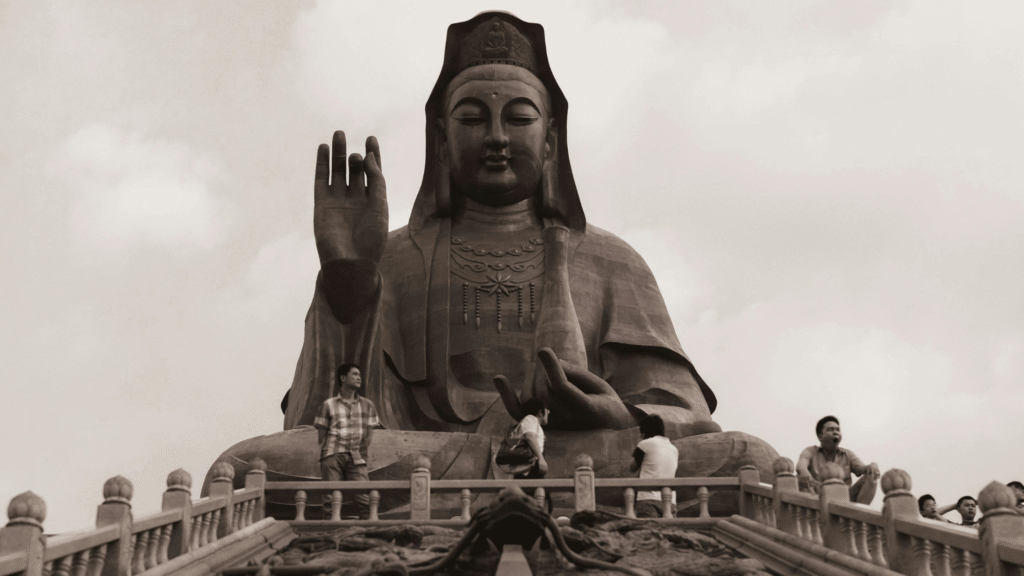
    Read More
  • Figures & Their Sacred Significance Figures & Their Sacred Numbers have actually constantly been greater than mathematical signs. Across spiritual traditions, numbers typically sit at the crossway of logic and necromancy-- structuring cosmic rhythms, sacred routines, and thoughtful insights. In Hinduism, numbers inhabit a distinctively elevated status. They are not merely tools for counting yet providers of extensive spiritual knowledge. They inscribe the metaphysical architecture of the universe, symbolize cycles of creation and dissolution, and reveal the refined functions of the universes. This short article explores the spiritual significance of numbers in Hinduism, how they show up in rituals, bibles, and reflective practices, and why certain numbers-- specifically 108 and 9-- are prized as portals to higher awareness. Whether you're a candidate, a spiritual lover, or just interested concerning ancient understanding, comprehending the symbolic power of numbers opens the door to a much deeper appreciation for Hindu spirituality. The Spiritual Duty of Numbers in Hindu Thought To appreciate the sacredness of numbers in Hinduism, we have to understand just how Hindu approach watches deep space. Unlike modern-day clinical worldviews where numbers describe fact, Hinduism commonly deals with numbers as intrinsic to reality itself. They are not simply depictions; they are expressions of cosmic concepts. Some key concepts: 1. Numbers encode global patterns Every little thing-- from the cycles of time (Yugas) to the design of holy places-- is set up around mathematical principles. These principles reflect ṛta, the cosmic order. 2. Numbers link physical and metaphysical realms Numbers assist convert refined spiritual concepts right into understandable patterns. For instance, the number 3 signifies the triadic nature of existence: creation, preservation, and damage. 3. Numbers guide spiritual practice Rep of concepts, cycles of breath, stages of the moon, and routine treatments all operate numerical structures that enhance their spiritual strength. 4. Numbers work as keys to covert knowledge In numerous ancient texts, especially the Vedas, Upanishads, and Puranas, mathematical importance is used to interact mystical realities that exceed literal meaning. The connection between Hinduism and numbers is not unexpected-- it is intentional, thoughtful, and deeply mystical. Relevance of 108 Amongst all sacred numbers in Hinduism, 108 stands as the most globally revered. It appears across spiritual customs-- Hinduism, Buddhism, Jainism, Yoga, Tantra, and even in astronomy. The number 108 is a planetary consistent, filled with symbolic, spiritual, and mathematical significance. Below is an extensive expedition of why 108 is considered spiritual. 1. Planetary Importance Range Relationships in Astronomy Ancient Indian astronomers exposed outstanding proportions in between celestial bodies: The variety in between the Planet and the Sunlight is approximately 108 times the Sunshine's dimension. The distance in between the Planet and the Moon is about 108 times the Moon's size. This suggests that 108 is a harmonic trick to the style of the planetary system. 108 Pīṭhas (Spiritual Internet Sites). Hindu mythology establishes 108 Shakti Peethas, positions charged with magnificent feminine power. These places produce a spiritual geographical circuit throughout South Asia. 2. Yogic & Spiritual Significance 108 Power Channels (Nadis). In yogic physiology, 72,000 nadis (polished power networks) exist. Out of these, 108 converge at the heart chakra, known as the Anahata. 108 Marma Information and facts. Ayurveda establishes 108 marma points-- vital force crossways in the body taken advantage of for recuperation. 108 Conformities (Namaskars). Requirement yoga exercise circles perform 108 Sun Salutations, particularly throughout solstices and equinoxes to recognize global shifts. 3. Scriptural and Thoughtful Significance Upanishads There are regularly 108 Upanishads, meaning the distilled well worth of Vedic understanding. 108 Names A range of divine beings have 108 names, signifying the decision of stunning high qualities. Circumstances: 108 names of Shiva 108 names of Vishnu 108 names of Devi Each name brings the devotee closer to the divine being's relevance. 108 Divya Desams Vaishnavism listings 108 spiritual refuges dedicated to Lord Vishnu. 4. Ritual Importance Japa Mala A mala made use of for mantra chanting contains 108 grains plus 1 master grain. Finishing a cycle symbolizes a complete spiritual journey-- departing from vanity and going back to divine awareness. Temple Architecture Numerous holy place structures include the number 108 in the count of steps, pillars, or sculptural themes. 5. Numerological Importance 108 is made up of numerically effective numbers: 1 → Unity, greater fact, Brahman 0 → Vacuum, completeness, deep space 8 → Infinity, cosmic cycles With each other, they represent the trip from individuality (1) with nothingness (0) to infinity (8 ). Importance of 9 If 108 is the planetary continuous, after that 9 is the spiritual origin. In Hinduism, 9 stands for completeness, cosmic order, and the greatest figure. Everything returns to 9. 1. Mathematical Necromancy 9 The 9 is an icon of mathematical power with premium homes. When combined with various other numbers, the number 9 inevitably returns back to itself. For instance, in the computation 9 x 7 = 63, breaking down63 right into components returns 6 +3, which equals this one-of-a-kind building. The fleeting top quality of this continual sensation symbolizes its self-referential nature. It is likewise decreased to 108. has in truth lowered to 9. 1 +8 = 0, that enhances its spiritual significance. 2. Navagraha - The 9 Planets Hindu Astrology is based upon Navagraha 9 stunning impacts: Surya (Sunshine). The heavenly body called Chandra is the Moon. Mangala (Mars). Budha (Mercury). Brihaspati (Jupiter). Shukra (Venus). The world Saturn called Shani. The North Node called Rahu The coming down lunar node, also referred to as Ketu. The forces that take care of fate along with fate and experiences of the world. 3. Navaratri-- The Nine Nights of Divine Feminine Navaratri commemorates 9 kinds of Siren Durga, each representing a phase of spiritual advancement. The number 9 here signifies: filtration inner strength divine security transcendence Each night represents a psychological and spiritual improvement. 4. Nine Kinds, Nine Stages, Nine Layers Navarasa-- 9 psychological essences in timeless arts Nava-durgā-- 9 aspects of Devi Nava-vidha bhakti-- nine forms of dedication Nava-nidhis-- nine treasures of Kubera Nava-dvāra-- 9 gates of the human body The reappearance of 9 enhances its symbolic meaning: a total system. Numbers in Rituals "1. "1" is often seen in Hindu rituals as a symbol of the cosmic order and spiritual harmony. Rituals are enhanced by the accuracy of numbers. Each number has its own resonance and meaning. Below is a comprehensive investigation of how numbers influence Hindu religious beliefs. 1. The Number  3-- The Trine of Presence The number  3 stands for triadic in nature and is a spiritual symbol. It appears over and time once again: Trimurti-- Brahma, Vishnu, Shiva Tridevi-- Saraswati, Lakshmi, Parvati 3 worlds-- Paradise, Globe, Area 3 gunas-- Sattva, Rajas, Tamas Three fires from the spiritual realmthree spiritual flames Garhapatya Dakshina Ahavaniya It prevails for regular jobs to be duplicated 3 times, such as making the water much more tasty by turning the resource of light and sending out a statement. 2. The Number 4-- Safety and Structure The recommendation was to: 4 Vedas There are four stages of the human experience (Ashramas). Living with four objectives (Purusharthas). 4 directions. The programs that promote protection and safety, along with safety and safety and protection and safety and security Protection and safety usually attract concentrate on the number 4. 3. The Number 5-- The Pancha Concept Five stands for balance: Panchabhutas-- the five aspects ( Planet, Water, Fire, Air, Room). Panchamrita-- a spiritual mix provided in routines. Panchakshari mantra-- five-syllable mantra of Shiva (" Namah Shivaya"). 5 detects. Many routines call for 5 lights, five offerings, or five rounds of shouting. 4. The Number 7-- Spiritual Ascension. Seven appears in:. Sapta Rishis-- 7 sages. Saptapadi-- seven steps of a Hindu marital relationship. 7 chakras. 7 sacred rivers. The number 7 symbolizes steps toward freedom. 5. The Number 12-- Planetary Cycles The number 12 regulates cycles of time: 12 Jyotirlingas Twelve month 12 Adityas 12-year Jupiter cycle Ritual schedules and astrological graphes rely greatly on the number 12. 6. The Number 16-- Wholeness 16 is connected with efficiency: Shodasha Upachara-- 16-step ritual of worship 16 stages of the moon 16 samskaras-- rites of passage 16 represents the full journey of life. 7. The Number 33-- Divine Forces The Vedas mention 33 divine beings, representing all universal energies: 12 Adityas 11 Rudras 8 Vasus 2 Ashvins Lots of routines to conjure up cosmic pressures include the number 33. 8. Various Other Numbers in Routines 108-- mantras, prostrations 1008-- extended variations of chants 21-- utilized in Ganesh prayer 51/52/108-- flowers of chakras Every number has an objective, vibration, and symbolic meaning. The Deeper Philosophical Definition of Figures Numbers in Hinduism reflect not simply routine structure however deep esoteric truths. 1. Numbers as Universal Patterns Each number represents a layer of fact: 1 → Unity (Brahman). 2 → Duality (Purusha & Prakriti). 3 → Triad (Creation, Preservation, Devastation). 4 → Product order. 5 → Sensory globe. 7 → Spiritual ascent. 9 → Conclusion. 108 → Cosmic integrity. 2. Numbers as States of Consciousness. Lots of meditative scriptures map awareness to numeric series. 3. Numbers as Devices of Change. Mantra rep, breath cycles (pranayama), and yantra geometry all make use of numerical precision to move internal powers. Why Numbers Hold Power in Hindu Spirituality 1. Vibrational Concept Every number has a vibrational frequency that impacts consciousness. Mantras shouted in certain matters amplify spiritual power. 2. Harmonization with Cosmic Rhythms Numbers synchronize human internal rhythms with cosmic cycles. 3. Psychological Effect Structured repeating (like 108 concepts) develops discipline, quality, and mental filtration. 4. Symbolic Encoding Numbers assist inscribe vast spiritual concepts in small symbolic forms. Verdict Numbers in Hinduism are far more than counting devices-- they are planetary signs, spiritual courses, and keys to spiritual understanding. They form regimens, review reflection, impact style, and mirror the universe's innermost patterns. 108 represent worldly uniformity, spiritual final thought, and the unity of the macrocosm and microcosm. 9 objectifies completeness, cycles, and magnificent order. Numbers like 3, 4, 5, 7, 12, and 16 lug layers of thoughtful and routine relevance. Whether you observe a priest shouting concepts, a yogi turning a mala, or a supporter finishing circumambulations, numbers form every element of Hindu spirituality. Understanding the spiritual significance of numbers allows you to appreciate Hinduism not simply as a faiths nevertheless as a mathematical, thoughtful, and spiritual science-- one that sees the entire world as a consistency of vibrations, patterns, and numerical uniformity.

    Figures & Their Sacred Significance | Sacred Numbers in Hinduism

    January 22, 2026 - By Angshuman Das

    Figures & Their Sacred Significance Figures & Their Sacred Numbers have actually constantly been greater…
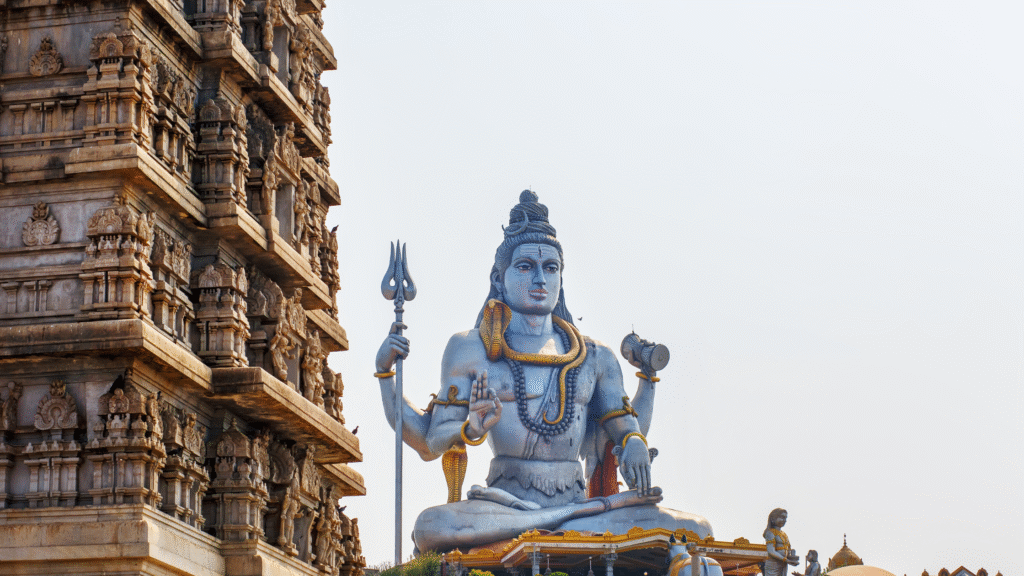
    Read More
  • The Pineal Eye of Lord Shiva Figures & Their Sacred Significance in Hinduism

    January 19, 2026 - By Angshuman Das

    The Pineal Eye of Lord Shiva Pineal Eye The image of Lord Shiva, peaceful yet…
    Read More
  • Reflection for Meditation for Stress Relief Meditation for Stress Relief In the energetic, hyper-connected modern-day world, stress and anxiety and anxiousness has actually become a silent epidemic. Due days, obligations, economic anxiousness, partnership problems, and electronic overload are all contributing variables to improving degrees of stress and anxiety and tension. While stress and anxiety and stress and anxiety is an unavoidable part of life, it does not need to control us. The choice exists not in running away life's difficulties nevertheless in changing particularly how we respond to them. Meditation for Stress Relief Reflection, an old technique rooted in understanding and inner tranquillity, makes use of a reliable, all-natural methods to get rid of anxiety. It encourages us to manage our mind, locate inner tranquility, and create emotional longevity. Unlike quick fixes or chemical treatments, representation performs at a deeper level-- changing our psychological patterns, unwinding our nerves, and including our ideas and sensations. This extensive introduction checks out just exactly how representation help decrease stress and anxiety and stress and anxiety and anxiety typically, the hidden resources of stress and anxiety, useful leisure methods you can make use of today, and a deeper spiritual point of view that brings lasting tranquility to the mind. Factors for Anxiety Meditation for Stress Relief Prior to we can get over stress, we require to recognize its origins. Stress is not merely a mood-- it's a physical and psychological feedback to concerned hazards or troubles. When we experience stress and anxiousness, the body activates its "battle or flight" setting, releasing hormones like adrenaline and cortisol. While this responses can be convenient put simply ruptureds, chronic anxiety harmed our physical and emotional health. 1. Exterior Triggers Job Stress: The contemporary office is a breeding ground for stress and anxiousness. Minimal target dates, high assumptions, job instability, and continual multitasking can cause tiredness. Financial Unpredictability: Economic instability, economic debts, and worries regarding the future are significant factors to persistent stress and anxiety. Connection Troubles: Miscommunication, emotional separate, and household responsibilities can drain pipes mental energy and harmony. Wellness Troubles: Ailment, persistent discomfort, and even anxiousness of health problem can produce ongoing psychological strain. Information Overload: In the electronic age, regular direct exposure to news, informs, and socials media contrasts overstimulates the brain, leaving us troubled and strained. 2. Interior Triggers While exterior components play a role, a lot of our anxiety originates inside-- from just how we believe and watch circumstances. Perfectionism: The demand to be remarkable or in constant control leads to stress and self-criticism. Adverse Thought Patterns: Overthinking, concern, and are afraid improve small problems right into mental tornados. Unsettled Feelings: Subdued mood, regret, or pain can smolder within, generating consistent stress and anxiety. Absence of Mindfulness: When we harp on the past or bother with the future, we separate from the serenity of the here and now min. 3. Physical Aspects Stress and anxiety is not merely psychological-- it has deep beginnings in our biology. Hormonal Agent Imbalance: High cortisol levels, inadequate rest, and unequal consuming patterns can make us far more prone to tension and stress and anxiety. Lack of Exercise: Less energetic way of livings lessen endorphin manufacturing, which normally preserves mindset. Poor Breathing Patterns: Superficial breathing signals to the body that it remains in danger, keeping a continuous state of effectiveness. 4. The Anxiousness and anxiety Cycle When tension and anxiety and anxiety goes neglected, it comes to be a cycle. Unfavorable ideas → physical tension → emotional discomfort → receptive routines → extra tension. Damaging this cycle calls for understanding-- and representation supplies the essential to doing merely that. Uncomplicated Pleasure Techniques Meditation for Stress Relief You do not ask for to be a monk or a yoga exercise workout master to start taking care of anxiousness and stress and nervousness generally. Easy, regular home enjoyment methods can aid unwind the mind and loosen up the body. Comprehensive listed here work strategies you can contain right into day-to-day real-time to boost harmony and balance. 1. Deep Breathing Meditation for Stress Relief Breath is the bridge in between the body and mind. When you purposely reduce your breathing, your nerve system changes from the stress-driven hassle-free state to the peaceful parasympathetic state. Specifically just particularly simply exactly just how to work out: Sit easily, close your eyes, and inhale deeply with your nose for a problem of 4. Hold the breath for 2 problems. Take a breath out slowly making use of the mouth for a problem of 6. Repeat for 5-- 10 mins daily. Meditation for Stress Relief This straightforward act signals the mind to existing calming natural chemicals like serotonin, promptly decreasing anxiousness and anxiety and stress and anxiety and stress and stress and anxiety and stress and anxiety and anxiousness and tension and nervousness and anxiousness and tension and anxiety and anxiousness and stress and anxiety and stress and anxiety and anxiousness and redeem psychological premium. 2. Conscious Standard Mindfulness suggests observing today minutes without judgment. When we observe concepts and experiences without responding, they dropped their hold over us. Workout concept: Throughout the day, break and observe what's taking place inside you. Observe your breath, body experiences, or the experience of your feet on the ground. Whenever your mind wanders, extensively bring it back to the presently. Mindfulness changes routine tasks-- strolling, consuming, and on top of that cleansing meals-- right into opportunities for harmony. 3. Aided Reflection Meditation for Stress Relief For newbies, transmitted representation can be extremely counted on. You can utilize applications, video clip, or recordings where a light voice leads you with entertainment actions. These sessions frequently contain visualization, unwinding sounds, and affirmations that help activity emphasis from tension to tranquility. 4. Modern Muscular Tissue Mass Recreation Anxiety and anxiety and anxiousness generally hides in our muscular tissue mass. This strategy launches it actually. Beginning with your toes-- stressful them for a selection of secs, later on relax. Move upward, calling for and providing each muscular tissue group. As you do this, envision all nervousness receding. This method enhances body understanding and markets deep leisure. 5. Concept Representation Meditation for Stress Relief Reproducing a relaxing noise or expression aid preserve the mind. Amongst amongst among the most old and trusted standard is Om, suggesting around the world resonance and uniformity. Specifically how to exercise: Sit conveniently, shut your eyes, and repeat "Om" progressively, allowing its vibration to resound in your top body and mind. With each duplicating, feel your ideas winding up being lighter and your breath much deeper. Regulation reflection guards the roaming mind and maintains indoor peace. 6. Visualization The mind responds really to pictures. Imagining kicking back scenes-- a tranquil sea, a forest, or a gold light-- can swiftly lessen stress and anxiety. Picture by yourself in a peaceful area. Entail all develops-- listen to the noises, genuinely really feel the air, see the shades. Continue to be to be because of the truth that mental area for an option of mins, permitting calmness to envelop you. 7. Acknowledgment Depiction Meditation for Stress Relief Anxiousness generally concentrates our concentrate on what's wrong. Appreciation reverses this pattern. Daily, listing 3 aspects you're grateful for. Actually really feeling genuine acknowledgment as you remember them. This moves mental focus from absence to treasures, usually lowering uneasiness. 8. Nature Web internet link Meditation for Stress Relief Hanging around in nature-- walking barefoot on lawn, keeping in mind of birds, or delighting in a sunset-- has in fact really examined stress-relieving impacts. Nature integrates our internal rhythms and brings perspective to life's difficulties. Just How Reflection Reduces Stress And Anxiousness Meditation for Stress Relief Depiction is above recreation-- it's a rewiring of the mind. Numerous medical checks out verify its benefits for psychological wellness and wellness, mental balance, and physical wellness. Allow's take a look at the devices behind especially simply precisely how reflection reduces tension normally. 1. Securities the Nerve System Representation activates the parasympathetic nerve system-- the "remainder and soak up" setting. This counters the stress-induced "fight or journey" activity, reducing heart price, hypertension, and muscle mass tension. 2. Decreases Cortisol Levels Cortisol, the considerable nervousness hormonal rep, damaged the body when persistantly increased. Regular depiction has actually really been revealed to reduce cortisol manufacturing, suffering state of mind and energy levels. 3. Enhances Emotional Standard Representation enhances task in the prefrontal cortex, the mind location accountable of decision-making and psychological control. This enables you to react easily to difficulties as opposed to reacting impulsively. 4. Increases Relax Costs Top Quality Meditation for Stress Relief A calm mind produces peaceful rest. Representation aids tranquil the stream of competing principles that keep plenty of awake during the evening. Deep, corrective remainder a great deal a lot more reduces tension and stress and anxiety hormonal representative representatives, generating a favorable cycle of health and wellness. 5. Enhances Self-Awareness Representation brings quality to interior patterns-- helping you find negative ideas before they spiral right into stress and anxiety. This recognition advertises conscious tasks and psychological liberty. 6. Rises Feel-Good Chemicals Working out reflection launches endorphins, serotonin, and dopamine-- neurochemicals connected to pleasure and harmony. In time, your mind winds up being wired for uniformity. 7. Enhances Resistance Normal stress and anxiety and anxiety suppresses the body immune system, making us a whole lot extra prone to illness. Reflection reverses this by decreasing swelling and raising immune function. 8. Cultivates Concern and Web Link Anxiety commonly separates us in self-focused trouble. Representation-- particularly loving-kindness representation-- broadens issue, enhancing partnerships and psychological sturdiness. Kind of Representation for Tension Relief Various sort of representation assistance different characters. Below are a selection of you can uncover: Mindfulness Representation: Observing thoughts and experiences without judgment. Loving-Kindness Representation: Expanding concern for self and others. Idea Reflection: Replicating spiritual appear like "Om" to loosen up the mind. Body Inspect Reflection: Bringing recommendation to every part of the body. Transcendental Representation: Steadly duplicating a personalized idea for deep rest. Zen Depiction (Zazen): Staying in serenity, focusing on setup and breath. Yoga exercise Nidra: A led enjoyment in between waking and rest. Each method produces the exact same location-- complete fulfillment-- yet utilizes a distinctive program. Making a Reflection Routine Uniformity concerns above duration. Start small and increase usually. Action 1: Select a Quiet Area Pick a relaxing side, without diversions. Activity 2: Develop a Time Early morning appropriates, as the mind is fresh and quiet, yet whenever features. Task 3: Begin Small Beginning with 5-- 10 mins daily. Considerably improve to 20-- 30 minutes. Tip 4: Focus On the Breath Utilize your breath as a support. When ideas develop, normally return interest to breathing. Tip 5: End with Gratefulness After each session, take a couple of secs to really feel thankful for the tranquility you grew. With consistency, reflection ends up being a haven you can access anywhere, anytime. Spiritual Approach to Stress While strategies relax the mind, the inmost relief from tension comes through a spiritual understanding of life itself. Reflection, at its core, is not just a tool for leisure-- it's a path to self-realization. 1. Comprehending the Nature of the Mind The mind is uneasy naturally-- constantly seeking something, always resisting what is. Real peace emerges when we see this uneasyness clearly, rather than combating it. Via meditation, we observe our ideas and discover that we are not our mind-- we are the recognition behind it. This realization dissolves identification with worries, bringing profound tranquility. 2. Detachment and Surrender Stress and anxiety often originates from trying to manage end results. Spiritual wisdom educates surrender-- not as quiting, yet as relying on the bigger circulation of life. When we release the illusion of control, we open to peace that no situation can shake. 3. The Function of Approval Acceptance doesn't mean resignation. It indicates recognizing what is, without resistance. Meditation grows this acceptance, allowing feelings to pass through normally, without sticking or aversion. 4. Connecting with Higher Consciousness Several traditions define meditation as communion with the divine-- whatever that means to you: God, global energy, or inner self. When we connect with something above the specific vanity, our issues reduce in size. Stress loses its grasp because we run from a higher state of awareness. 5. Living Mindfully Spiritual living is not regarding escaping the world-- it's about being fully existing in it. When each minute ends up being sacred, the normal becomes remarkable. Eating, strolling, functioning, and speaking-- all can be acts of reflection when made with awareness. Scientific Support for Meditation's Effect on Stress and anxiety Modern scientific research progressively verifies what ancient wisdom has actually constantly understood. Study shows quantifiable advantages of reflection on stress and anxiety reduction and general wellness. Harvard College Studies found that meditation lowers blood pressure, heart price, and anxiousness degrees. Johns Hopkins University meta-analysis revealed that mindfulness meditation is as efficient as antidepressant medication for anxiousness. Stanford College scientists observed structural mind modifications-- a boost in noodle thickness in locations connected to emotion guideline and self-awareness. UCLA Studies reveal long-lasting meditators age a lot more slowly at the cellular level, due to lowered oxidative anxiety. These searchings for verify that meditation is not simple mysticism-- it's a medically validated approach to cultivate peace and equilibrium. Incorporating Reflection right into Life You don't require to rest cross-legged in silence for hours to benefit. Bring reflection into average mins. Morning Harmony: Begin your day with 5 mins of aware breathing prior to examining your phone. Conscious Dishes: Eat gradually, discovering the preference and appearance of food. Digital Breaks: Time Out for a couple of minutes every number of hours to shut your eyes and breathe. Evening Depiction: Before bed, observe your day with worry, launching remorses. When understanding ends up being an actions, tranquility becomes your natural state. From Tension to Stillness Reflection transforms just how we experience life. Difficult situations don't disappear-- but our reaction to them adjustments. We find out to encounter difficulties with clearness instead of worry, compassion as opposed to anger, and acceptance as opposed to resistance. Gradually, meditation unlocks to much deeper facts: The mind can be our servant, not our master. Peace is not something to be discovered-- it's our real nature. Life streams easily when we align with inner serenity. Verdict: The Course to a Tranquil Mind Tension and anxiety will regularly belong to the human experience, yet experiencing does not have to be. Reflection instructs us to stop briefly, take a breath, and reconnect with our inner haven of peace. Whether with aware breathing, shouting, visualization, or spiritual depiction, representation provides a natural, side-effect-free remedy to modern tension. It's not a resort from life-- it's a means to include with life a great deal more completely, with recognition and grace. As you remaining in silence, viewing ideas stray like clouds, bear in mind: peace is not something you produce-- it's something you reveal, when the hurricane of the mind clears up. Reflection for anxiousness relief is not just a technique-- it's a lifestyle, a mild transformation of awareness that leads from chaos to relax, from concern to idea, and from restlessness to serenity.

    Meditation for Natural Stress Relief & Inner Calm

    January 16, 2026 - By Angshuman Das

     Reflection for Meditation for Stress Relief Meditation for Stress Relief In the energetic, hyper-connected modern-day…

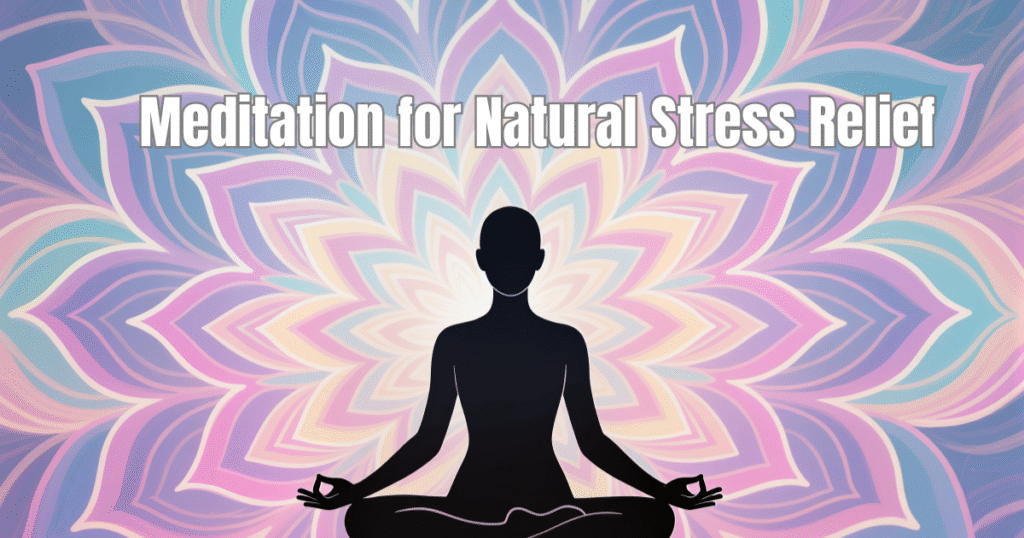
    Read More
  • Concern Heals Relationships Heals Relationships In a globe where lots of hours, misconception, and vanity generally darkness human web links, concern happens one of one of the most effective balm for the heart. Trouble is not simple empathy or pity-- it is the capacity to see, really feel, and respond to an included's pain with love, understanding, and an authentic dream to minimize their suffering. At its core, worry is love at work. It enables collaborations to breathe again after the suffocation  of disagreement, animosity, or ignore. It changes psychological distance right into distance, judgment right into empathy, and hurt right into healing. In every type of collaboration-- in between friends, buddies, relative, associates, or potentially complete strange individuals-- issue restores what worry, mood, and misinterpreting eliminate. Gurudev Sri Ravi Shankar, the designer of The Art of Living, normally advises us that concern is our real nature, not something we need to obtain. "When the heart opens, take pleasure in circulations naturally," he defines. "Empathy is refraining something for somebody-- it is being that you really are." This blog site checks out particularly just how concern heals links, why troubles produce in the first place, and simply how caring listening and love-- as informed by Gurudev-- can bring appreciation, harmony, and consistency right into our web links. Why Problems Arise Every relationship begins with love and link. 2 hearts please, 2 minds include, and for a while, whatever really feels all-natural and jubilant. Yet as time passes, distinctions emerge. Misunderstandings expand. Assumptions are not pleased. Words are specified in anger. Gradually, wall surfaces increase in between people who as soon as shared openness and depend on fund. Why does this occur? 1. Expectations and Vanity At the heart of the majority of conflicts exists expectation. We expect others to act, speak, or like us in a certain technique-- and when they don't, irritation arises. The ego converts this as being rejected or disrespect, and we respond with pain or defensiveness. Compassion dissolves vanity by reminding us that everybody sees the world by means of their own lens of experiences, sensations, and injuries. When we look past our very own pain and attempt to understand why the various other specific acted the technique they did, recuperation starts. As Gurudev says, "If you recognize that a private acts out of their very own anxiety and stress and anxiety, lack of knowledge, or pain, your mood will certainly disappear and compassion will certainly take its place." 2. Absence of Interaction Many troubles expand not due to significant issues, yet as a result of overlooked words. Silence develops wall surface areas, while open, compassionate conversation constructs bridges. When communication does not have compassion, even the tiniest concern can come to be a source of animosity. Caring communication indicates taking note with the objective to comprehend-- not to reply or safeguard. It's about being fully present, with a heart open sufficient to hear what lies behind words. 3. Unsolved Pain and Previous Injuries Sometimes, the pain we really feel in an existing partnership isn't new-- it's a depiction of old injuries. Unhealed trauma from childhood years, previous connections, and even self-criticism can predict onto those we like a lot of. Without empathy-- for ourselves and others-- these injuries preserve duplicating in cycles of blame and shame. Recovery starts when we stop, breathe, and extend compassion internal. When we forgive ourselves, we situate it much easier to forgive others. 4. Attachment and Possessiveness Love usually changes painful when attachment takes control of. True love gives adaptability; add-on clings and anxieties loss. Worry informs us to such as without trying to have. It allows us value as opposed to regulate. When we see the numerous other individual as an independent being with their very own journey, our link becomes a collaboration of spirits, not a fight of vanities. Compassionate Listening Among the most effective presents we can provide another person is the gift of genuinely listening. Not simply to their words, yet to their sensations, silences, and issues. In several issues, individuals don't really wish to win an argument-- they intend to be understood. Caring paying attention bridges this space in between hearts. 1. What Is Compassionate Listening? Thoughtful listening is a spiritual act. It's not passive-- it's deeply engaged. It indicates silencing our very own psychological babble and giving the various other individual our full, loving focus. It shows listening not to react, yet to link. Thich Nhat Hanh, the excellent Vietnamese Zen master, called it "listening with simply one goal: to assist the other individual experience much less." Gurudev mirrors this wonderfully: "When you pay attention with your heart, not simply your ears, the various other private actually feels seen and listened to. That alone can recoup years of discomfort." 2. The Art of Being Present Caring listening ask for presence. A lot of the moment, when someone is chatting, our mind is already preparing what to state following. Yet visibility shows launching that inner discourse and existing entirely. When we bring our understanding entirely right into the moment-- soft eyes, gentle focus, and an open heart-- something shifts strongly. The specific talking actually feels safe and secure. Due to the fact that safety and security, reliability arises. And from authenticity comes recovery. 3. Paying Attention Beyond Words Sometimes what individuals assert is not what they absolutely recommend. Anger can hide anxiousness, silence can conceal pity, and mockery can conceal heartache. A thoughtful audience pays attention under the surface, seeing what is unmentioned. For example, when a companion says, "You never ever have time for me," the thoughtful target market doesn't get protective. They pay attention to the real message underneath: "I miss out on feeling near you." That refined change in assumption turns fight into web link. 4. The Power of Non-Judgment Judgment obstructs concern. The minute we classify someone--" self-seeking," "negligent," "premature"-- we quit seeing them as a human being fighting like ourselves. Non-judgment is not excusing harmful behavior; it's selecting to see the individual's the human race prior to their issues. Gurudev frequently mentions, "When you judge others, you quit liking them. When you give up judging, like blooms once more." Caring listening, consequently, needs humility-- the readiness to see that every person, including ourselves, is incomplete and discovering. 5. Thanks in Listening When we pay attention compassionately, we establish room for appreciation. Thanks that an individual trusted us sufficient to share their susceptability. Thankfulness that we can holding area for one more spirit's journey. This recognition enhances our links and nurtures our very own heart. Gurudev's Teachings on Love Gurudev Sri Ravi Shankar's teachings on love and issue are timeless and beneficial. They mix old understanding with a modern understanding of human psychology. His message is straightforward yet substantial: "Love is not a feeling; it is your actually visibility." 1. Love Past Issues The majority of individuals delight in with problems--" I'll appreciate you if you act the method I choose." Yet conditional love causes take care of, hesitate, and irritation. Gurudev reveals that true love is genuine. It gives without getting ready for. It honors as opposed to demands. He declares, "When you enjoy a private, you provide flexibility-- to be themselves, to make mistakes, to expand. Love never ever before binds, it releases." This versatility modifications collaborations. It gets rid of the weight of presumption and allows thanks to bloom. When we quit asking, "What can I get from this link?" and begin asking, "Exactly simply how can I serve with love?"-- our hearts expand. 2. Empathy as Sturdiness, Not Powerlessness In a world that usually announces long life, concern might appear like weak point. Yet Gurudev calls compassion the greatest strength. It takes nerve to forgive, self-constraint to understand, and growth to respond with love instead of craze. Compassion does not show allowing others to hurt us consistently. It shows seeing their pain without absorbing it, and responding from clearness rather than task. It's strength with soft premium quality. He specifies, "Issue is not being a flooring covering; it is being a door where love and competence flow." 3. Recuperating With Seva (Service). Choice-- selfless offering-- is an added expression of problem. Gurudev usually states, "When you flatter others, your really own concerns decrease." Helping others moves our focus from self-centered issue to global web link. In links, this suggests little acts of service-- paying attention, aiding, functional, valuing. When we do these points not out of dedication however out of real therapy, love end up being straightforward and very simple. 4. Depiction: The Water Fountain of Worry. Depiction broadens compassion by linking us to the peace within. When the mind is peaceful, the heart opens normally. Gurudev exposes fundamental yet effective breathing methods like Sudarshan Kriya, which release stress and anxiety and recover mental balance. When we work out representation continuously, we quit reacting impulsively. Instead of meeting trend with trend, we please it with understanding. We start seeing the divine in others, and partnerships alter from scrubing to flow. 5. Love, Thankfulness, and Comprehending. Gratitude is the scent of love. When we are grateful, our emphasis transfers from what is missing out on what is already amazing. Gurudev declares, "When you are grateful, you can not be unfavorable." In internet links, gratitude changes whining right into appreciation, and array right into range. He furthermore recommends us that understanding is important: "Comprehend your feelings, nevertheless do not sink in them. Know others' discomfort, yet don't bring it." Acknowledgment changes compassion from a quick lived experience right into a continuous state of being.

    Compassion Heals Relationships Through Love & Understanding

    January 13, 2026 - By Angshuman Das

    Concern Heals Relationships Heals Relationships In a globe where lots of hours, misconception, and vanity…

    Read More
  • The Power of Om Power of Om In every corner of the globe, human beings have actually utilized audio to express emotion, get in touch with the divine, and discover internal peace. Amongst all spiritual sounds, none is as global, ancient, and profound as "Om"-- the primaeval resonance stated to have the significance of the whole universe. Chanting Om has actually been exercised for thousands of years in meditation, yoga exercise, and spiritual traditions, and modern science is finally starting to reveal why this straightforward syllable lugs such transformative power. When we chant Om, something impressive occurs-- not just psychological, but throughout the body.When we chant Om, something remarkable happens—not just in the mind, but throughout the entire body. Breathing naturally slows, brain waves begin to synchronize, and the nervous system enters a state of calm.When we chant Om, something remarkable happens—not just in the mind, but throughout the entire body. Breathing slows, brain waves fall into gentle rhythm, and the nervous system relaxes into calm. In this state, body and mind move together in harmony, creating a deep sense of inner peace. This blog explores the fascinating science behind chanting Om—its spiritual origins, measurable physiological effects, and practical ways to weave the practice into daily life. Whether you’re new to meditation or a seasoned practitioner, understanding the deeper layers of this sacred sound can enrich your journey toward mindfulness and balance.Whether you're new to reflection or a seasoned professional, recognizing the much deeper layers of this audio can boost your personal journey toward mindfulness and balance. Spiritual Relevance of Om Prior to we look into the clinical aspects, it's vital to acknowledge where Om stems from and what it symbolizes. 1. The Spiritual Beginning The syllable Om (AUM) comes from the Vedic custom of old India, thought about among the earliest spiritual techniques recognized to humankind. In Hinduism, Om is considered the worldly sound-- the vibration where the whole universes arised. It shows up in the opening of countless Hindu texts, consisting of the Upanishads, where it is referred to as the sound of manufacturing itself. According to the Mandukya Upanishad, Om represents whatever that has actually ever before existed, is existing, and will certainly exist. It is the past, existing, and future, and also goes beyond time itself. 2. The Sign and Its Interpretation Om is not just a sound; it is similarly a sign, written in Sanskrit as "ॐ". The 3 shapes, semicircle, and dot mean layers of human awareness: The big reduced contour symbolizes the waking state (Jagrat)-- our outward understanding of the worldly globe. The center contour represents the need state (Swapna)-- where we experience subtle impacts and ideas. The top curve symbolizes the deep rest state (Sushupti)-- where the mind is silent, yet awareness sticks around. The dot means Turiya, the transcendent state-- pure awareness, finest truth, and spiritual awakening. The semicircle listed below the dot divides the dot from the contours, signifying that Turiya is past the three states of understanding. Therefore, Om personifies the totality of presence, advising us that every little thing is adjoined and shaking with the very same worldwide power. 3. Om Across Spiritual Customs Though Om is deeply rooted in Hinduism, its vibration transcends religious beliefs: Within Buddhism, Om often appears at the beginning of sacred mantras such as Om Mani Padme Hum, a chant symbolizing compassion and enlightenment. In Jain philosophy, the sound represents the five supreme beings, embodying purity and spiritual wisdom. Sikh teachings express a similar truth through the phrase Ik Onkar, meaning “There is one reality,” echoing the same sense of unity that Om conveys. Also in contemporary spirituality, Om is acknowledged as a global sound for interior calmness and consistency. Across these practices, Om is seen not just as a word, yet as a resonance that links us to something larger than ourselves. Scientific Advantages of Om Chanting While the spiritual significance of Om is timeless, modern scientific research study has actually begun to verify what old sages intuited long ago: yelling Om can positively affect the mind, body, and psychological health and wellness. 1. Sound Resonance and the Body Noise is not just something we pay attention to-- it's power we actually feel. Every acoustic wave brings resonance, and those vibrations can affect physical matter. Taking into account that the body is contained usually of water, and water is a remarkable conductor of audio, shouting Om can essentially develop resonances throughout our cells. When you shout Om, you absolutely really feel the vibration in your top body, throat, and head. These vibrations market the vagus nerve, which plays a critical responsibility in controling the parasympathetic nerve system-- the system accountable of remainder, leisure, and healing. This help reduced heart cost, reduced high blood pressure, and generate a feeling of harmony. 2. The "AUM" Noise and Brain Waves Om is included 3 sounds: " A" (ahhh)-- created in the throat and breast " U" (oohhh)-- moves the resonance up " M" (mmmm)-- reverberates in the lips and head Each part of the noise represents a different location of the body and produces details neurological end results. A research study implemented at the All India Institute of Medical Sciences (AIIMS) uncovered that Om howling produces alpha brain waves-- the precise very same waves connected with deep leisure, creativity, and reflection. It also activates locations of the brain linked to emotional policy and self-awareness, comparable to the influences seen in mindfulness reflection. 3. Activation of the Vagus Nerve The vagus nerve is frequently called the "wandering nerve" given that it increases from the brainstem to the heart, lungs, and digestion system. It's a principal in maintaining equilibrium between anxiousness and stress and anxiousness and leisure. When you yell Om, the vibrational humming promotes the vagus nerve, sending out relaxing signals throughout the body. This physical action is called the "recreation reaction", initial established by Dr. Herbert Benson of Harvard Medical Facility. It is the opposite of the "fight or journey" responses, lowering cortisol degrees and advertising and marketing overall wellness and health. 4. Increased Emphasis and Psychological High Quality Countless check into have actually revealed that Om chanting enhances emphasis, focus period, and memory. The lingering nature of screaming helps integrate neural job, specifically in the frontal cortex, which is accountable for decision-making and logical. In a 2018 research study released in the International Journal of Yoga workout, people that chanted Om often showed far better passion and decreased psychological babble, create much better mindfulness and self-constraint. 5. Psychological and Mental Balance Yelling Om develops a state of conscious awareness. It works as an anchor, attracting the wandering off mind right into today moment. Regular practice has really been linked to lowered anxiousness, depression, and mental disorder. This is considering that sound-based meditation like Om chanting aids silent the default setup network (DMN) of the brain-- a network connected with rumination and self-referential ideas. When the DMN relaxes, psychological harmony develops generally. 6. Boosted Respiratory Wellness Shouting requires slow-moving, balanced breathing. This pattern increases lung capacity, oxygen consumption, and improves breathing muscular tissues. In time, this can enhance power levels and minimize exhaustion. Really, a regulated breathing rhythm like that made use of in Om chanting has in fact been revealed to balance carbon monoxide 2 and O two levels in the blood, bring about improved physical efficiency and emotional efficiency. 7. Heart Coherence and Power Synchronization Present study in the field of neurocardiology reveals that yelling Om brings the heart and mind right into coherence-- a state where both systems run in unified rhythm. This placement boosts mental security, instinct, and toughness. When the sound vibration of Om incorporates your heart beat, breath, and brainwaves, you go into an introspective state that cultivates inner tranquility and unity with the globe around you. Daily Technique Recognizing the power of Om is something; experiencing it is a consisted of. Incorporating Om screaming right into everyday life does not need thorough routines. All you ask for is consistency, understanding, and direct exposure. 1. Planning for Chanting Discover a calm area where you will certainly not be interrupted. Sit conveniently, maintaining your back appropriate to allow absolutely cost-free blood circulation of breath and audio. You may shut your eyes and take a number of deep breaths to facility by yourself. 2. The Approach of Howling Om Absorb deeply using the nose. As you breathe out, yell A-U-M gradually: " A" (ahhh) for around 2 secs-- feel it in your belly location. " U" (oohhh) for 2 secs-- feel it enhance with your breast. " M" (mmmm) for 2 secs-- feel it resound in your head. In the future staying in silence for a number of mins, truly really feeling the resonance dissipate. Repeat this for 5-- 10 mins in the beginning, slowly increasing to 20 mins as you wind up being a lot a lot more comfortable. 3. Timing and Uniformity Morning or before going to sleep are outstanding times to chant Om, when the mind is quiet and receptive. Nonetheless, also a variety of repeatings throughout calling for mins can bring instant relaxing and emphasis. 4. Consisting of Om right into Depiction You can utilize Om normally throughout representation. Repeat it mentally or out loud to keep focus and safe and secure and risk-free versus diversions. Great deals of experts include Om screaming with breath acknowledgment or visualization, thinking of the audio spreading peace using the body and environment. 5. Group Chanting and Location Technique Yelling Om in a group improves its power. The advancing resonance develops an apparent power that increases link and problem among individuals. Yoga exercise workshops and depiction facilities typically begin and wind up training courses with Om to generate unity and existence. 6. Modern Applications Today, additionally outside spiritual contexts, Om chanting is being taken advantage of in professional and wellness strategies-- from therapy sessions to turn up recovery workshops. Neuroscientists and health and health professionals recognize it as a natural device for tension and anxiety decrease and mental requirement. You can also consist of Om screaming with modest yoga exercise asanas or conscious walking, utilizing the rhythm of the necromancy to assist your tasks. 7. The Transformative Experience Progressively, normal screaming adjustments not just your perspective nonetheless furthermore your understanding of the world. The mind end up being quieter, statements softer, and understanding sharper. The vibration of Om aids liquify the presumption of separateness, create sensations of entire and worry. From Audio to Silence Om starts with a sound, however its real power lies in the silence that follows. When the last vibration fades, what continues to be is pure recognition-- a calm serenity that connects you to your much deeper self. Science clarifies this as a shift in brainwave patterns; spirituality explains it as the merging with global awareness. Regardless, the experience coincides: a deep sense of peace and unity. Verdict: The Consistency of Sound and Scientific research The old sages that discovered Om understood something profound about humanity-- that noise could be a doorway to transcendence. Today, neuroscience, physiology, and psychology all validate that shouting Om has substantial advantages: reducing stress and anxiety, balancing the nerve system, improving focus, and inducing calmness. Om is not a religious sign restricted to one culture. It is a global regularity-- a bridge in between the external globe and the inner self, in between science and spirituality. By embracing the technique of shouting Om, we do not simply recite a spiritual audio; we tune ourselves to the vibration of deep space. Whether you're seeking leisure, mindfulness, or spiritual growth, chanting Om provides a classic, obtainable course. Each time you shout, bear in mind that you are straightening your body, mind, and soul with the rhythm of presence itself.

    The Science and Power of Om Chanting Explained

    January 10, 2026 - By Angshuman Das

    The Power of Om Power of Om In every corner of the globe, human beings…

    Read More
  • Dedication-- The Course of the Heart Course of the Heart In a globe that typically values logic, productivity, and external success, the spiritual dimension of commitment might show up soft, also additional. Yet for several hunters, dedication-- rooted in abandonment, trust, and genuine love-- becomes an extensive path to transformation, recovery and union with the Divine. In this reflection we will certainly explore the power of dedication in spirituality, the duty of the master, the essence of the divine, and the nature of unconditional love. We'll take a look at why dedication issues, share stories of supporters, and talk about just how the religious life can prosper even in our modern, hectic globe. Why Devotion Matters The significance of dedication At its core, devotion (in Sanskrit usually shared as bhakti) is greater than routine, greater than task-- it is the heart's alignment toward the Divine. It is an expression of love, hoping and abandonment. As one commentary places it, "devotion is selfless love of the Supreme Person." prabhupada.net +2 gurudevsivananda.org +2. This suggests releasing purely ego-driven inspirations (" What will I obtain?" "What will I benefit?") and instead supplying one's heart, service, interest, surrender to a higher Truth merely because it is worthy of love, just since we are attracted to it. According to the classic scripture Bhagavad Gita (Chapters 9 & 12), the Supreme states that also a straightforward offering-- a fallen leave, a flower, water-- supplied love is accepted. Swami Vivekananda mentioned devotion not as nostalgic yet as a pressure:. " It is not the light that is to be applauded or criticized ... Unattached, yet shining in everything, is love, the motive power of deep space.". So devotion matters due to the fact that:. It involves the heart instead of just the mind or the will. It permits a personal partnership with the Divine, rather than totally abstract principles. It transforms one's alignment from "What can I get?" to "Just how can I offer?" or "Just how may I enjoy?". It opens the door to surrender-- the recognition that I am not the source of all, that I am dependent, and willing to be guided. In surrender exists flexibility. Dedication as transformation. Commitment is not practically exterior prayer. It is about internal adjustment. In the paper "Bhakti, unconditional love, and mental recovery," it is noted that the emotional life of the aspirant "undertakes a progressive improvement ... the psychic being replies to real and the stunning ... grounded in a deep and genuine love, religious basically, accompanied by a state of sincere and complete surrender to the Divine.". Simply put, commitment can end up being the ground in which the ego softens, attachment loosens its hold, the heart opens and the applicant begins to live from a deeper centre. It cultivates humility, concern, equanimity and trust fund. Devotion and the Guru-Divine axis In religious customs, the function of the expert (spiritual teacher) is crucial. A guru is commonly seen as the one that exposes the Divine to the adherent, guides the heart, raises the veil of lack of knowledge. The connection in between supporter and master turns into one of trust, surrender, service, and love At the same time, dedication is inevitably directed not simply to the teacher, however through or past the teacher, to the Divine itself. The master comes to be a living icon of that Divine, and thus welcomes the devotee into devotion, right into abandonment, into communion. Devotion and genuine love. An essential idea in commitment is unconditional love-- enjoy that requests for absolutely nothing in return, like that honors without expectation. According to Yogapedia: " Genuine love ... is a selfless, greater kind of love ... In Bhakti yoga exercise, ... this type of love is taken into consideration the highest kind of commitment." Devotion invites us to like God or the Divine, or the guru, or the globe, not on the basis of what we obtain, but even if of who the Beloved is. In such love the duality starts to dissolve-- the enthusiast, the precious, the love-- all begin to merge. Freedom via commitment In lots of typical mentors, dedication is not merely a way to live a good life, however a path to freedom. The Narada Bhakti Sutras declare that pure dedication leads to classic tranquility, completion of ego-driven activities and accessory. Bibles like the Bhagavad Gita raise bhakti as the easiest, most easily accessible, most direct course for a lot of humans: if one can not spend hours in austere meditation or renounce the globe completely, one can still reside in love, abandonment, devotion. The course of the heart is open to all. Why it matters in modern life In our busy, fragmented world, where we're drawn in many directions-- job, social media sites, family members, responsibilities-- the course of dedication brings us back to what is crucial. It advises us of interiors, connections, visibility. It welcomes us to reduce, bear in mind, give up. It softens the tough sides of vanity, restlessness, doing-doing-doing, and welcomes being, associating, caring. Hence commitment issues-- not only in ancient temples or remote ashrams, but right here, in the heart of daily life. Stories of Fans Stories breathe life right into abstract concepts. We'll take a look at a couple of prototypes of commitment-- followers whose lives show the power of dedication, guru-relationship, abandonment, genuine love. 1. The modest enthusiast Think about the example cited in Bhakti Yoga works: a basic lady in rural Bengal, without any official education and learning, who shouts the name of Krishna daily while food preparation and taking care of her family members. Scriptures claim: "In Phases 9 and 12, Krishna boosts Bhakti most of all various other yoga exercises ...". Her dedication is not in a holy place with grand routine. It is embedded in her regular life. Her offering is easy: love. Her pattern is constant: remembrance. Her surrender is implicit: she sees the Divine in her jobs, in her solution. That's dedication. 2. Tracks of unconditional love. The fantastic educator in one discourse said:. " Dedication without love is a deep ocean ... Commitment with love is like pleasant water.". Below the message is that love instills dedication with sweetness, with life, with improvement. Without love, commitment can become completely dry, necessary, also burdensome. With love, it becomes nectar. 3. The gave up guru-devotee axis. In the Indian spiritual custom, surrender to the expert is seen as a vital landmark on the spiritual path. In a current post:. " The practice of the living guru is the structure of Hinduism's spiritual culture. The term guru-bhakti connotes doing spiritual techniques ... Its peak is unconditional surrender to the guru.". A supporter's surrender to a living teacher is symbolic of surrender to the Divine. The guru works as a mirror, a network, the personification of poise. 4. The mystic's commitment. There are lots of mystics throughout practices: saints, poet-devotees, that have exemplified commitment as their very life. For them, the path of dedication was not additional; it was every little thing. Their writings, their songs, their lives show love at work, abandonment in practice, elegance in living. One Reddit commenter defined it therefore:. " When love no more has a things, it ends up being the really fabric of being. The fan, the precious, the yearning, all liquify into one silent pulse of recognition. This highlights the deep capacity of devotion-- not only to change daily life, yet to dissolve identification, liquify separation, reveal union. 5. Offering the Divine in life. An additional story: In the short article about unconditional love in Hinduism, it is said that when the ego liquifies and the spirit identifies itself in others, this love "view each act of generosity as an offering to the divine". That means: dedication is not just concerning shouting or worship-- it is about living. It has to do with seeing the Divine in the starving, the ill, the unfamiliar person. It is about solution (seva) as religious expression. These stories highlight that dedication touches all segments of life: praise, solution, surrender, relationship, existence. The power of dedication depends on its capability to penetrate not just the temple, but the heart, the minute, the activity. Bhakti in Modern Life Exactly how does one online commitment today, in the swirl of mobile phones, conferences, routines, disturbances? It is right here that the path of the heart confirms both challenging and deeply relevant. Growing devotion amidst numerous hours Daily remembrance: A simple prayer, incantation, concept, or moment of silence. The old bibles emphasise that even easy offerings-- leaf, blossom, water-- with love are acceptable. Service as commitment: One doesn't require to retreat from society. Aiding others without assumption, seeing the Divine in everyone, makes day-to-day acts spiritual. Give up in small things: Releasing control in little issues develops the muscular tissue of abandonment in bigger issues. Identifying: I'm not totally in control; I am open to guidance. Growing genuine love: The world has plenty of conditional love (" I'll love you if you behave", "I'll serve you if you assist me back"). However devotional life invites us to like without problems. Yogapedia advises: genuine love is a greater type of commitment. Seeing the Divine in all: Modern life can compartmentalize sacred and secular. But devotional living liquifies that: the office, the commute, the home, the complete stranger-- all end up being fields for using love and existence. Choosing an overview or spiritual community: While devotion can be individual, having a teacher, or being in a neighborhood of devotees, anchors the course. The partnership with guru or teacher is among trust fund, love, abandonment. The difficulties Of course, devotion in contemporary life is not without obstacles: Disturbance and fragmentation: Our interest is drawn in numerous instructions; growing singular dedication requires self-control. Assumptions and ego: The vanity might still lurk, seeking benefit, acknowledgment. Dedication welcomes us to offer without counting the cost. Work-life needs: When life is busy, carving space for the heart's wishing can be difficult. Cultural luggage: One might encounter false impressions (" commitment is soft, ignorant, uncritical") or abuse (" blind master dedication", cults). Discernment is required. Depth vs. routine: One can mechanically execute devotional acts, yet remain inwardly far-off. The heart must be included. The pledge Yet despite the obstacles, the guarantee of religious living is abundant: Internal peace: As commitment deepens, the heart relaxes a lot more crazy, depend on, abandonment, less in stress and anxiety, striving, control. Greater empathy: As one sees the Divine in all, concern normally arises toward others. Genuine connection with the Divine: Not just concepts regarding God, but actual yearning, actual love, genuine link. Makeover: Commitment is not static-- it changes the self, the connections, the world-view. Delight in the journey: In devotional life, the course becomes the reward. The act of loving becomes its own bliss. As one source states: "Dedication with love ... is nectarous." Practical pointers to incorporate dedication Early morning remembrance: Begin your day with a moment of silence, a prayer, a basic offering of thankfulness. Mindful service: Pick one act of kindness daily done without expectation of return-- allow it be your devotional act. Evening reflection: Reflect on the day-- where did my heart really feel open? Where did I react from vanity? Offer everything to the Divine. Grow the guru-heart: Whether you have an official teacher or just a publication or tradition you value, hold that in your heart. Ask: Exactly how can I serve? Exactly how can I love? Chant or sing: Even 5 mins of religious vocal singing, rule, or listening to religious songs can open the heart. Area: If possible, get in touch with a religious neighborhood-- online or personally. Shared love magnifies love. Depend on and abandonment: When things don't go your way, exercise the stance of surrender: "May Thy will be done." This does not indicate passivity, yet depend on. See the spiritual in the mundane: In your bus trip, your commute, your workdesk work-- supply each moment to the Magnificent with visibility and love. Discharging Secret Ideas: Commitment, Specialist, Divine, Unconditional LoveCommitment It is believed that dedication (bhakti) is a heart-centered emotional, social, and transformational. It is not a denial of the intellect or work however it does place the heart at its center. Its beginnings: choice, desertion, love. It's hard to stay true to any method It is living and breathes, it is dynamic, living. In accordance with the Bhakti methods: " Bhakti is dedication or kind love. ... Love is the yearning; experience is the fulfilment of it." The person who is completely committed and devoted not because of natural, but rather due to being aware that one's heart actually has been pleased by the Divine and has a desire for unity. Master The professional (physical instructor master) is a key player in top-quality. The words understand that fundamentally "gets rid of darkness" (gu-ru: gu is darkness, ru is removal). The fitness trainer gets the lack of understanding out of his mind and analyzes the soul. Spiritually, the term "desertion" to a professional is typically described as desertion to God. A message says: " Its top is genuine desertion to the expert." However, this doesn't mean complete obedience. True guru-devotee relationships are conscious, grounded in gruesome reality trust in the fund, strategy as well as a lot of dramatically changing the interior of the air conditioner. The master helps the followers to discover their astonishingly unique real-life reality, and not only guide them outwardly. Divine The Divine is God's beloved Absolute Reality, God Absolute. The devotional tradition states that the Divine does not appear distant or cold, but rather caring, reachable and open and responsive. In the path of devotion, we are invited to reaching out to the Divine in the form of Beloved. The Bhagavad Gita The Lord calls for a loving memory. A commentary states: "The Lord, who is the embodiment of Love ... comes down in human form ... to teach everyone this path of Love ... so that our lives are redeemed." So it is evident that the Divine isn't only a destination but a deeply intimate part of the daily life of devotion. When we love the Divine We also uncover our innermost heart as well as our Self. the truth that lies within us. Unconditional Love Unconditional love means love with no any strings. There is There isn't "if you do this, I'll love you", or "I'll serve you if you benefit". In a devotional sense this type of love is considered to be the most pure. Yogapedia: "Unconditional love ... is considered the highest form of devotion, or bhakti." Devotion and surrender are inseparable with love for one another. In one article, it is noted: "When one surrenders completely ... the love expressed towards God becomes purer and more selfless." In the context of devotion it is love that does not want anything for recompense, which remains loyal to your beloved whatever happens, which endures in all the challenges and tribulations, is what makes living a life of devotion. Putting All Of It Together: A Religious Journey The mind can be an image regarding the course of our dedication in phases, in addition to a layout of the development of our hearts. Phase 1: Hoping There are several people who experience a rage. The feeling is of something that is above average. It is much deeper rooted in the wish to be attached, purposeful and tranquility. The need can materialize by a sensation of stress and anxiety and searching, or unhappiness of the way points are. The soul is telling us that "There ought to be something greater than this. " Phase 2: Encounter A person seeking to enhance their knowledge is directed by a trainer, who is educating an old publication, and who is can be a part of individuals that have actually dedicated themselves to the reason, when they are shown about a technique that is an act of sacrifice and affection. The notion of love unconditionally and commitment is apparent through. The concept of a Master or an offering that comes that originates from the heart, is given the world of. Phase 3: Dedication A person who is seeking God is aware to let his heart open. I'll serve. I'll tape a checklist of my experiences. I'll be a one that is the servant to God. A religious practice begins by shouting, praying and checking out, and offer the area. The connection with God and the Divine grows. This is the reason why a partnership with Master could additionally be reinforced. Master is able to reinforce count on, dedication, and help God's love. God. Stage 4: Makeover With love and devotion, hearts grow even more soft. Egos' demands are reduced. The flow of love boosts. Someone that is deeply dedicated starts to be an individual of the heart. Opportunities to depend on emerge also when faced with difficulties. All situations are an opportunity for offer. The distinction between secular and spiritual dissolves. You can sense the Divine throughout their surroundings. Stage 5: Union The moment of the end (in the custom of) is when the person that has actually been devoted really feels the happiness of love that is generous and pure along with the love of a person who is loved along with the love of an enjoyed one can be a terrific pair. Fans become component to the Divine. God is within those that are committed. There is no separation in between the two and the heart is unified. This is a state of bliss that is when commitment is at totality. That is the ultimate function of the bhakti. Why Devotion Over Other Paths? It is possible to ask: There are many paths in the spiritual realm: understanding (jnana) and meditation action, service (karma). Why choose devotion? Affordability: Devotion doesn't require a high intellect or long periods of solitude. The heart can be opened to all. In fact it is said that the Gita affirms that even person who gives a small flowers with love will be recognized. The act of devotion is a way to engage the entire person, not just the mind but also the emotions, body, the will and the bonds. It provides immediate, real-time connection to God or the Divine instead of abstract philosophical concepts. It alters our character. Through our surrender and love, we can cultivate the qualities of compassion, humility as well as service. It is the foundation of devotion. Devotion isn't just about it to be used for the "peak experience"; it encourages us to live in the love of our beloved in each minute. It can heal the heart. emotional pain, fear, the attachment - all is possible to be addressed by the ability to surrender and unconditional love. Facts, Warnings & Balanced View Though dedication can be effective, it's not without its risks. Some warns to bear upon your mind Emotionalism is not the like. deepness: Commitment that is lowered to sentimentalism or just emotion-based, could be the factor for not concentrating on the depth. Heart needs to be energetic and sharp. Ridiculous obedience, misuse of master: You must pick an educator that is discerning. A true guru-devotee connection is one that values honesty, freedom, truth and liability however not manipulative or dependent. The forget of the other dimensions Principles is an added dimension that can be enhanced by devotion along with discernment, meditation and the wisdom. They ought to be taken seriously. The attachment to the results of an examination The pathologies of the devotee happen when a devotee is expecting immediate incentives, dreams, or acknowledgement. Loving unconditionally is loving without any seeking monetary reward. It's a truth that dedication does not eliminate the challenges of life. It transforms how we face these obstacles. Conclusion: The Power of Devotion in Spirituality The path to devotion is the heart. It calls us to be loved, to give up, and to serve. It invites us to our Beloved, the guru, and to God--to a connection that changes not just the things we do but also who we are. Through devotion, we are able to be free of the demands of our egos and to see the presence of the sacred within the everyday serving without expectation and to be a loving person without conditions. The path we take is one of faith, humility and trust. It is revealed that love isn't just an emotion, but rather the heart's movement. If you feel your heart pounding or if you feel an unspoken desire that you can't identify, think about this perhaps the way to devotion has been calling your name. Start with a simple breathing, an offering in silence to God, an offering, or the memory. Let devotion become your living reality. The Divine is waiting when the Guru is waiting to open the doors, and your heart opens, and in the end you will discover things that saints have learned that the Lover is nearer than the breath you breathe and that you're greater than you believe, and through the act of giving your heart you find your self, as well as the Divine. Let your journey be a blessing. The power of dedication shine through your life, awaken your spirit, and bring you towards the ever-growing love of God.

    Path of Devotion: The Course of the Heart in Spiritual Life

    January 7, 2026 - By Angshuman Das

    Dedication– The Course of the Heart Course of the Heart In a globe that typically…

    Read More
  • The Journey to Enlightenment Journey to Enlightenment All over the world there has been an ever-present question: What is the meaning of awakening? From the serene meditation caves of the Himalayan mountains to the serene areas of modern mindfulness centres, seeking information is always a manifestation of our deep desire to understand the foundation of our existence and the core of who we are. It's not an abstract concept or event reserved for people who are monks or Sages. It's the development of wisdom -- a major realisation that transcends perception and reveals the essence of our identity. The path to awakening is extremely personal and ancient. It's an account of the mind's recollection of its very essence. The study seeks to unravel the purpose of the term enlightenment, ways we could attain freedom, as well as common myths that limit our understanding of this fascinating condition. Defining Enlightenment The expression "enlightenment" has numerous definitions that are influenced by impact of the ideology of idea, culture and individual experiences. In its essential sense" enlightenment, "knowledge" means the process that lets go of lack of knowledge, imaginary and add-on to comprehend the reality of the universe and your own self. The Roots of Knowledge This concept originates from an idea that is stemmed from the Sanskrit word Bodhi suggesting "stiring up" or "to understand." According to Buddhism, Bodhi represents the full awareness of fact, the moment in which Siddhartha Gautama the Buddha recognized the transcendence of the cycle of fatality and birth (samsara) and accepted the timeless, synergistic personality of all things. In the West, "enlightenment" additionally ended up being connected with the Age of Enlightenment, the movement in the 18th century, which emphasized the clinical method, rationality and the freedom of people. Nonetheless, even though both East and West are seeking truth, spiritual awakening stands out from the spiritual stired up. It's not just about gathering information, but instead to damage the limits of our mental faculties and acknowledging the globe as it is. The Nature of Awakening Enlightenment refers to the capability to fully experience the world. It is a capacity to transcend the misconceptions, concerns and requires that identify the truth we see. It is realizing that our image of self that we safeguard with so much zeal does not exist individually of reality.I and deep space is a representation of our consciousness. It's not an approach of idea however, it is a genuine experiencing an experience of straight perception. It is possible for words to suggest that they are experiencing, however they can't have the ability to hold it in their minds. It is stated that the Zen instructor Huang Po when claimed, "The crazy decline what they see; the wise decline what they assume." When knowledge is achieved, it happens when the mind realizes that it is not the sole master however, it is the master of awareness. Wisdom as the Heart of Enlightenment The principle that drives awakening is the growth of knowledge. It's not a build-up of info in publications, but the knowledge of silence that originates through silence. True wisdom originates from a realization of the unity that exists throughout all variety in addition to the peace that is everlasting as well as the generous nature of our being. Reflection is a technique that can allow this wisdom to be exposed. It slows down the endless flow of ideas and discovers the unvarying, stillness that lies beneath-an everlasting, continuous presence that doesn't fade goes away. That's why every custom that's an element of this, beginning with Buddhist vipassana and continuing with Christian contemplation, stresses silence: while your mind is quiet, self-deflation occurs and the actual essence becomes apparent. Steps Toward Freedom The roadway to awakening is not one-time event but rather an unfolding processthe go back to the level of consciousness. Each person's course to enlightenment differs, all faiths agree on a couple of fundamental actions to liberty. 1. Self-Inquiry: The Beginning of Understanding The first step toward knowledge begins with a straightforward yet effective concern: That am I? Self-inquiry, or atma vichara, was stressed by the Indian sage Ramana Maharshi as one of the most straight course to freedom. As opposed to looking for exterior solutions, self-inquiry turns focus internal, tough every assumption concerning identity. When we ask "That am I?" and map the sense of self back to its resource, we uncover that what we call I is not a solid entity yet a flow of experiences, ideas, and sensations occurring in recognition. What remains when all these liquify is the pure awareness that witnesses them-- the ageless self. This acknowledgment notes the beginning of awakening. It moves us from living as the mind to living as awareness itself. 2. Mindfulness and Meditation Meditation links you to the space in between ignorance and the world of illumination. It's an approach of living and a mindset. Through mindfulness, we have the ability to look at our thoughts and emotions without judgment and see just how our minds frequently analyze how we categorize and respond to circumstances. With time with this knowledge, we can minimize the problem of identityand we stop thinking of any emotion and every thought that could be "mine. " There are a myriad of types of reflection. Meditation to focus where your focus is fixated your breath or to the sound of a rule. Understanding reflection (Vipassana) Insight meditation, that enables one to discover thoughts and feelings to make sure that they can be familiar with their short-term nature. Meditation on love-kindness (Metta) is a technique which cultivates empathy towards all beings. Each type of expression can cause a state of quiet, which can be a possibility to be in the present. If reflection is cultivated, the initiatives are decreased, and the mind can be an all-natural facet of oneself. That effortless peace is the basis for awakening. 3. Letting Go of Attachment The biggest obstacle that hinders awakening is attachment. This refers towards objects, individuals or concepts. They can also create an obstacle to entering the realm of spirituality. The reason for the suffering is that attachment binds us to something, which could be indefinite. Freedom starts by recognizing that there is nothing to hold. The body changes and the relationships change and the failure diminishes. everything changes and passes. Once this inevitable fact is established, everything holding on to is gone, and all that can be left is the freedom. This doesn't mean you must give up your life or feelings. Instead, we're capable of living completely without fearing or grasping. It is said that the Bhagavad Gita states, "Act without attachment to results." A path towards enlightenment is not mean escaping, it's simply the capacity to stay aware of every moment of our lives, without reliance. 4. Cultivating Compassion and Wisdom The way to awakening does dependent on cold separation and it is a result of the manifestation of compassion. Once we learn to dispel the illusion of separation, it's easy to connect with love. The concept behind compassion is that each being is part of consciousness that we refer to as "self. " Both of them are connected. Wisdom is completely aware of the nature of selflessness, compassion is the exact same. The person that is spiritually awakened and doesn't contribute to the world out of obligations, but due to the joy of belonging to a group. Meditation improves the two of these characteristics. When mindfulness improves your ability to feel empathy and to recognize the hurt of other people like your own, you're able to feel in peace. 5. Surrender and Trust The ego wants control, however enlightenment blooms through surrender. The word "surrender" does not imply passiveness It's about trusting the wisdom of nature itself. In the moment we surrender our the shackles and let life move through us an incredible calmness and peace will emerge. The mystic Rumi said, "Flow down and down in always widening rings of being." That surrender brings freedom and freedom from the idea that "I am the doer." As you relax the mind becomes relaxed and the world itself transforms into its own teacher. 6. Integration of Daily Life The true path to enlightenment cannot be found by itself, but is lived out throughout the world. The awakening state has to integrate daily life, the work environment, the relationships and the social system. Every interaction is reflection of our inner self. The awake self is spontaneous with no fear or passion and guided by intuition instead of conditioning. With this kind of integration, every day becomes a an opportunity for meditation. Cleaning dishes, walking through the rain or even speaking to someone new are all sacred when you look at them with awake eyes. Common Misconceptions About Enlightenment Despite centuries of spiritual literature and numerous other works that use the word "enlightenment" remains one the most misunderstood concepts in the globe. A lot of people are misled by myths or stories concerning the meaning behind awakened. Let's dispel certain popular beliefs. 1. Enlightenment Is a Supernatural Experience Many imagine that the moment of the moment of awakening can be described as an explosion of light or the appearance of a dream or sudden emergence of supernatural abilities. Although some users may experience awe-inspiring moments of wonder or clarity, However, these aren't fundamental characteristics of awakening. The goal is not to be unique It's about acknowledging that no one is distinct. It's the end of our quest for something distinctive. In the words of Zen trainer Dogen, "Enlightenment is intimacy with everything. " 2. Intelligent People are averse to emotion Another theory is that people who are awakened are no longer experiencing emotions such as anger, sadness, or worry. However, emotions are still present but the difference is that the person who is awake no longer is a part of these emotions. The feelings resemble clouds that travel through the vast skies of consciousness. They can be experienced completely but don't leave any footprints. The enlightenment of mankind does not stop however it does improve the quality of life. 3. Enlightenment is a way to escape the world A lot of people see"enlightenment" as a retreat to the outside world. resigning from society, or giving up any desire. True enlightenment does not mean the lack of desires, but an act of participation without a connection to any particular thing. The person who is spiritually awake exists in the physical world however, they are not part of the world. They participate in the cosmic dance energy in a graceful and enlightened manner. that dancer and dancer are in fact two. 4. Enlightenment Belongs to a Few Chosen Beings Another myth is that it is a rare thing or only available only for monks and saints. Enlightenment, in reality, is a right of all person. It's not a thing you can achieve however, it's something you can experience -it is the realization of the truth that has been there for all time. Every person has the seeds to awaken within. With mindfulness, meditation and honest inquiry any person can find the true nature of who they are. 5. Enlightenment Means Perfection Perfection is a notion that is a thought. Enlightenment transcends it. One who is awakened does not achieve perfection but becomes whole. They embrace every aspect of life, from happiness to pain, with no judgment. According to Zen masters are known to claim, "Before enlightenment, chop wood and carry water. After awakening, chop wood and carry water." The difference is not in the actions we take however, but rather in the way we perceive. 6. Enlightenment Happens Overnight When sudden experiences of enlightenment (satori) can be described in Zen however, they're usually followed by years of preparation such as contemplation, ethical living and self-research. Even after awakening, integration continues. It is both a time as well as a process, a constant recognition, which develops throughout the course of. The Role of Meditation in the Path to Enlightenment Meditation isn't just a way that helps us "get" enlightenment -- it's the actual expression of it. While we are in meditation it is not a quest to be something, we are recollecting the things is already within us. A regular practice of meditation can quieten the mental chatter and reveals the expansive consciousness that is the basis of all experiences. As time passes, we come to recognize that feelings, thoughts and feelings aren't obstacles but are an integral part of the mind. Different ways of meditation suit various temperaments. However, they all lead to one thing: our self that we want to change is a lie. Once this illusion is gone and enlightenment is evident, it will naturally occur. The Self and the Illusion of Separation The path to spiritual awakening takes us back to that is Self. Self. What is the exact definition of that "I" that seeks, combats and fights achieve freedom? Psychology today sees the self as a combination of experiences in addition to social and personal obligations. Spiritual wisdom affirms that self-image is just the idea of a piece of an idea that your brain develops in order to construct its personal stories. When we look closely at the practice of meditation, it becomes obvious that there's no physical "I" -- only awareness of oneself. This realization could be referred to as release. The ego isn't entirely gone, but it's gone from the role of being the person who determines our identity. The word "I" in conversation, actually, is tied to a persona that's unhindered and not held by a brutal method. When you are at peace, the boundaries between you and the outside universe are removed and reveal the oneness of your being. Living Enlightenment It is not a finality but rather a new beginning -- a beginning living a life that is in alignment with reality. It alters relationships, perception and even the purpose. A person who is enlightened sees the divine everywhere such as the rustle of leaves, the laughter of a kid, and in the quiet between spoken words. Every second is an act of loving. Practically speaking Living enlightenment is the term used to describe: Being aware of what is happening instead of reactivity. Reflecting others in the self. acting from compassion, not the fear of. Being open to change and change in a graceful manner. In the present moment, resting in the timeless. It is not something you can be achieved, but rather to achieve. It is not at a later date, but within the present moment right now. The Mystery of Looking For Enlightenment The greatest paradox is that knowledge can not really be looked for. The actual effort to achieve it enhances the impression of an applicant separate from reality. Yet the search itself becomes part of the awakening procedure. As the mind tires itself in striving, a moment comes when it surrenders-- and because abandonment, awareness dawns. You do not become enlightened; you identify that you constantly were. The clouds part, and the sun-- which was never ever lacking-- beams forth. Last Depictions: The Light Within Knowledge is not a location yet a homecoming. It is the go back to what has really frequently been-- the quiet, radiant understanding that underlies every breath, every concept, every heart beat. The training course is both old and instant. Representation, self-inquiry, and compassion are its devices; understanding and tranquility are its fruits. When we look deeply, we discover that knowledge is not something to reach nonetheless something to remember. The light we try to find presently burns within us-- it merely waits to be acknowledged. In this understanding, life itself winds up being reflection, and every min winds up being spiritual. The trip ends where it began: in the endless presence of the selfless self-- the timeless currently.

    Journey to Enlightenment: A Spiritual Path to Awakening

    January 4, 2026 - By Angshuman Das

    The Journey to Enlightenment Journey to Enlightenment All over the world there has been an…

    Read More
 Older Posts

Recent Posts

  • Feb 03, 2026 Symbol of Guru-Bhakti: Eklavya’s Sacrifice and Spiritual Devotion
  • Jan 31, 2026 The Spiritual Power of Forgiveness and Emotional Healing
  • Jan 28, 2026 It’s Not Good to Overthink | Spiritual Freedom from the Mind
  • Jan 25, 2026 Figures & Their Spiritual Significance | Sacred Numbers in Hinduism
  • Jan 22, 2026 Figures & Their Sacred Significance | Sacred Numbers in Hinduism
  • Jan 19, 2026 The Pineal Eye of Lord Shiva Figures & Their Sacred Significance in Hinduism
  • Jan 16, 2026 Meditation for Natural Stress Relief & Inner Calm
  • Jan 13, 2026 Compassion Heals Relationships Through Love & Understanding
  • Jan 10, 2026 The Science and Power of Om Chanting Explained

Search

Categories

  • Meditation
  • Spirituality
  • Sri Sri Wisdom
  • Uncategorized
  • Yoga
January 2026
M T W T F S S
 1234
567891011
12131415161718
19202122232425
262728293031  
« Dec   Feb »

Archives

  • February 2026
  • January 2026
  • December 2025
  • November 2025
  • October 2025
  • September 2025
  • Home
  • Meditation
  • Spirituality
  • Yoga
  • Sri Sri Wisdom
guru pranam motivation

Guru Pranam Motivation

GuruPranam Motivation is dedicated to empowering individuals through spiritual wisdom and motivational teachings. We believe in fostering inner strength, confidence, and resilience to achieve personal growth and success.

© 2025 GuruPranamMotivation. All rights reserved.
Graceful Theme by Optima Themes
  • Home
  • Meditation
  • Spirituality
  • Yoga
  • Sri Sri Wisdom