Skip to content
GuruPranam Motivation

Daily Motivation from the Heart of Spirituality

  • Home
  • Meditation
  • Spirituality
  • Yoga
  • Sri Sri Wisdom
  • Home
  • Meditation
  • Spirituality
  • Yoga
  • Sri Sri Wisdom
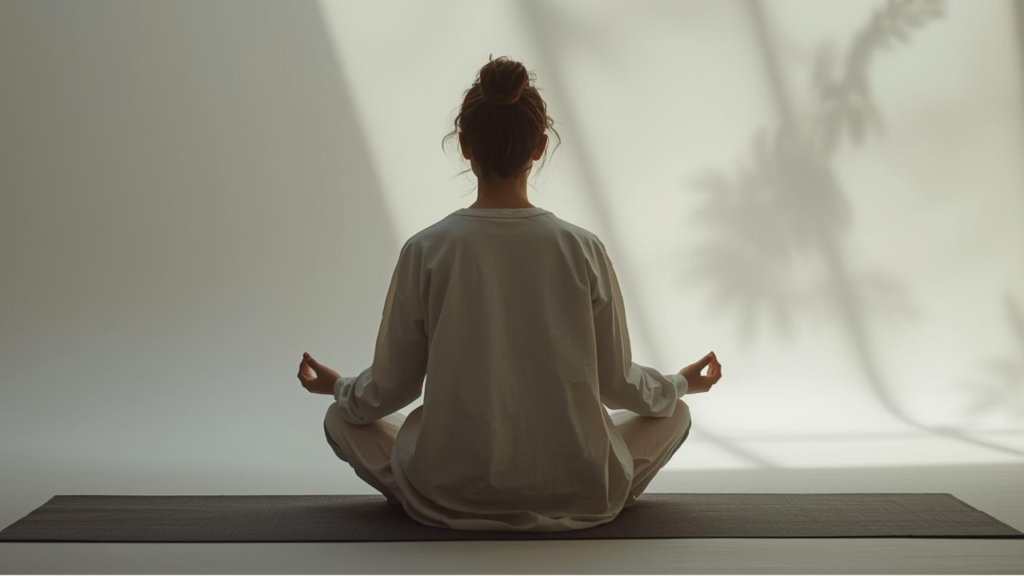
  • Stabilizing Feelings with Meditation Meditation Sensations are a natural and effective part of being human. Joy, despair, rage, worry, love, and peace type just how we experience life and relate to others. Yet, when feelings become overwhelming or unrestrained, they interrupt the internal consistency of the mind. In today's hectic world, emotional discrepancy has actually wound up being significantly common, causing stress and anxiety, anxiousness, connection problems, and a continuous feeling of discontent. Reflection gives a mild yet extensive method to bring back psychological stability. As opposed to lowering sensations or responding impulsively, representation helps us acknowledge sensations, manage them, and transform them into sources of knowledge and inner peace. Via normal method, reflection strengthens the mind, relaxes psychological disturbance, and reconnects us with a consistent interior facility. In this blog, we find exactly how meditation aids maintain feelings, why feelings go out of stability, the duty of breathing methods, and simply how awareness becomes an effective device for emotional recovery and tranquility. Why Sensations Head Out of Stability Mental inequality does not take place overnight. It is generally the outcome of developed anxiety and anxiousness, unclear experiences, and a lack of recognition of the mind's internal operations. The Nature of Emotions Emotions are responses to indoor and outside stimuli. They develop mental, affected by ideas, memories, assumptions, and presumptions. When the mind is calm and clear, feelings move normally and pass without establishing interruption. When the mind is littered or worried, sensations escalate and linger. Reflection reveals us that feelings themselves are not the problem. The problem lies in recognition-- when our company believe we are our feelings instead of customers of them. Tension and Psychological Overload Modern life puts consistent needs on focus. Work stress, electronic distractions, social presumptions, and unpredictability overload the mind. This mental tiredness damages emotional longevity. When the mind is overstimulated: Tiny problems turn on solid emotional responses Willpower decreases Nervousness and irritability rise Inner harmony winds up being vulnerable Reflection helps by supplying the mind deep rest, enabling psychological equilibrium to usually return. Unclear Psychological Experiences Suppressed or unprocessed feelings gather listed below the surface area. With time, they manifest as unforeseen anger, distress, or emotional feeling numb. Without understanding, the mind avoids discomfort as opposed to healing it. Reflection establishes a risk-free internal area where emotions can appear, be recognized, and launched thoroughly. Recognition with Ideas Ideas fuel feelings. Repeated lack of confidence enhances emotional patterns such as problem, guilt, or bitterness. When the mind believes every idea, feelings spiral out of hand. Reflection trains the mind to witness ideas as opposed to becoming captured in them. This experiencing compromises emotional reactivity and revives equilibrium. Breathing Practices Breathing is the bridge in between the body and the mind. Alterations in breath straight influence emotional states. Shallow, rapid breathing usually features stress and anxiety and anxiousness or mood, while slow-moving, deep breathing preserves calmness and tranquility. Depiction integrated with mindful breathing approaches occurs an efficient tool for emotional regulation. The Link In Between Breath and Feelings Every feeling has a breathing pattern. Concern reduces the breath, despair makes it hefty, and mood fine-tunes it. By purposely managing the breath, we influence the feeling of the mind. Taking a breath approaches kick back the nerves, reduced stress hormone reps, and generate emotional security. Deep Belly Breathing Deep breathing is among the easiest ways to support feelings. It indicates security and safety and security to the nerve system and settles back the mind. Technique: Sit conveniently with the back upright Inhale progressively with the nose, permitting the abdominal area to raise Breathe out carefully, allowing the abdomen soften Proceed for 5-- 10 mins This approach premises the mind and decreases mental aggravation. Well Well Balanced Breathing for Mental Tranquility Well balanced breathing involves keeping a consistent rate of breathing and exhalation. This rhythm stabilizes psychological versions. Exercised prior to meditation, well balanced breathing prepares the mind for deeper understanding and harmony. Breath Acknowledgment Representation Merely observing the natural circulation of breath without changing it brings immediate emotional balance. This method changes attention far from emotional storms towards today minute. With time, breath recommendation creates emotional proficiency-- the capacity to recognize feelings without being mystified by them. Breathing Throughout Emotional Triggers Representation educates that throughout psychological triggers, returning emphasis to the breath safeguards against responsive tasks. Additionally a couple of mindful breaths produce area in between feeling and response. This time around about out is the framework of mental effectiveness. Acknowledgment & Recovery Recognition is the heart of reflection. Without understanding, feelings handle the mind. With recognition, feelings wind up being teachers instead of difficulties. Comprehending as Emotional Witnessing Representation grows the capacity to observe emotions without judgment. Rather than determining sensations as great or negative, understanding permits them to be actually felt completely and released generally. When feelings are observed: Their stamina decreases Clearness boosts Internal serenity emerges This process prevents emotional suppression while remaining clear of overreaction. Recuperating Via Authorization Lots of psychological battles proceed as a result of resistance. Fighting sensations enhances them. Reflection reveals approval-- not resignation, nevertheless recognizing. When emotions are accepted with acknowledgment, recuperation starts. Approval enables the mind to loosen up and integrate experiences rather than withstand them. Launching Emotional Patterns Recurring psychological responses develop patterns. Reflection breaks these patterns by bringing them right into aware understanding. As recognition deepens: Old emotional routines lose power Emotional injuries soften Internal stability expands Recuperation takes place not forcibly, yet by mild understanding. Compassion Toward the Self Psychological equilibrium requires self-compassion. Representation supports empathy towards one's very own experiences. Rather than criticizing emotional reactions, understanding encourages perseverance. This worry heals mental marks and develops interior harmony. Representation Strategies for Emotional Stability Mindfulness Representation Mindfulness requires being completely existing with principles, experiences, and experiences. Exercising mindfulness strengthens psychological criterion and psychological top-notch. By observing experiences as short-term experiences, the mind stops hanging on to them. Loving-Kindness Reflection This type of representation broadens favorable sensations such as love, grace, and concern. It keeps unfavorable emotional propensities and opens the heart. Loving-kindness representation enhances psychological toughness and harmony. Body-Based Comprehending Experiences normally appear basically. Depiction that contains body understanding assistance bargain emotional anxiousness kept in the body. Looking into the body with identifying sits back both physical and psychological anxiety and anxiousness and anxiousness and stress and anxiety. Integrating Reflection into Day-to-day Live Reflection does not finish when one leaves the meditation seat. Psychological balance is strengthened when recognition continues throughout everyday tasks. Easy methods include: Stopping briefly prior to responding mentally Taking conscious breaths during stress Observing emotions during conversations This combination changes day-to-day live into a continuous method of tranquility. Long-Term Benefits of Meditation for Emotions With normal method, reflection changes psychological life: The mind comes to be tranquil and centered Psychological responses soften Peace ends up being stable Relationships improve Inner confidence grows Feelings no more control the mind-- they exist side-by-side harmoniously with awareness. Typical Difficulties and Gentle Solutions Uneasyness Preliminary reflection might feel uncomfortable. This restlessness signifies kept emotional energy releasing. Uniformity delicately settles it. Emotional Surfacing Reflection may bring reduced feelings to the surface area. Recognition and patience enable healing without overwhelm. Disparity Short, routine reflection sessions are much more reliable than occasional lengthy ones. Consistency constructs psychological balance gradually. Final idea Representation is a reliable course to psychological equilibrium. By calming the mind, managing emotions, and expanding acknowledgment, reflection revives internal tranquility typically. Instead of staying clear of feelings or being managed by them, meditation shows us to recognize and integrate them. Through breath, acknowledgment, and thoughtful monitoring, psychological recovery unravels delicately. As reflection becomes a part of day-to-day online, the mind discovers stability, sensations find balance, and serenity winds up being a long lasting internal experience rather than a short lived minute.

    Balancing Emotions Through Meditation

    March 14, 2026 - By Angshuman Das

    Stabilizing Feelings with Meditation Meditation Sensations are a natural and effective part of being human.…
    Read More
  • Petition-- A Bridge to the Divine Bridge to the Divine Petition has in fact been an essential part of human world considered that old times. Throughout cultures, religions, and spiritual practices, individuals have really turned to petition as a way to get in touch with something more than themselves. Whether murmured in solitude, sung in commitment, or utilized calmly in the heart, prayer remains an efficient force in life. It is not simply a routine or a technique-- it is a living bridge in between the human and the divine. In the modern world, life typically feels rushed, unclear, and overwhelming. Amidst responsibilities, pressures, and disturbances, petition supplies a time out-- a spiritual minute of harmony where the spirit can rest. With request, individuals share commitment, look for advice from God, and rediscover interior harmony. This everyday web link nurtures idea, improves emotional strength, and brings implying to routine life. In this blog site, we check out the power of request in everyday life, why people hope, the comprehensive effect of cumulative petition, and specifically just how to hope with recognition to make sure that petition comes to be a transformative spiritual experience as opposed to a mechanical act. Why We Pray Bridge to the Divine Bridge to the Divine At its core, request creates from a deep human need to link, to understand, and to really feel sustained by a higher exposure. Individuals want a number of variables, yet all forms of request mirror the spirit's longing for peace and meaning. Prayer as an All-natural Human Expression Prayer is not limited to official words or spiritual configurations. A sigh of alleviation, a min of gratitude, or a peaceful plea for sturdiness is furthermore petition. When the heart opens in genuineness, prayer occurs naturally. Humans intuitively pray throughout minutes of unpredictability, joy, problem, or thanks. This instinct subjects that prayer is not found out-- it is born in mind. Looking For Assistance and Assistance Bridge to the Divine Life gives lots of choices and challenges. In moments of difficulty, prayer comes to be a resource of clearness. Turning toward God via prayer allows the mind to release nervousness and depend on a greater understanding. Rather than calling for specific outcomes, prayer instructs surrender. This desertion brings tranquility due to the truth that the worry of control is introduced. Petition and Emotional Recuperation Petition has a powerful healing result on feelings. When issues, concerns, and discomfort are used in petition, they lose their hold on the mind. Commitment exposed through petition softens psychological injuries. It creates a sensation of friendship with the divine, advising the individual that they are not the only one. Gratefulness and Petition Not all petition involves asking. Gratitude is amongst the purest sort of petition. When one hopes in gratitude, the mind modifications from lack to abundance. Grateful petition supports contentment, humbleness, and pleasure. It transforms everyday experiences into blessings. Petition as Internal Positioning Mentally, prayer aligns the private with greater worths such as worry, grace, and truth. Routine prayer boosts intentions and purifies motivation. With time, petition forms personality. Tasks wind up being led by recognizing in contrast to impulse. Power of Collective Prayer Bridge to the Divine While individual prayer is effective, cumulative prayer lugs an one-of-a-kind and magnified power. When people integrated in dedication, the impact extends past the private mind. Shared Objective and Power Cumulative prayer creates a common field of intention. When several hearts focus on tranquility, recovery, or gratitude simultaneously, the energy multiplies. This cumulative commitment strengthens faith and strengthens the sensation of unity. Differences dissolve, and a common human spirit arises. Psychological and Emotional Support Hoping with each other supplies emotional confidence. It reminds individuals that they belong to a larger neighborhood. In times of crisis, collective petition supplies comfort and stamina. The shared silence, incantations, or words relax the nerves and bring back hope. Collective Prayer and Tranquility Bridge to the Divine When neighborhoods pray with each other, the intention of peace extends past personal life into society. Cumulative petition promotes empathy and lowers hostility. Numerous spiritual practices believe that genuine cumulative petition can influence collective awareness, advertising consistency and understanding. Routines and Sacred Events Group prayers throughout celebrations, ceremonies, or everyday gatherings deepen devotion. The rhythm of incantations, synchronized silence, and shared focus elevate recognition. Such rituals strengthen spiritual self-control and influence people to maintain petition in daily life. Prayer Past Borders Collective petition transcends language, religion, and culture. Whether via silence, song, or talked words, the significance continues to be the exact same-- connection with the divine. This universality highlights petition's power as a unifying force in humankind. How to Pray with Recognition Prayer ends up being transformative when exercised with understanding. Without awareness, prayer risks ending up being mechanical. With awareness, it becomes a living dialogue with the divine. Relocating Beyond Mechanical Petition Repeating words without existence restrictions prayer's deepness. Awareness brings sincerity and emotional sincerity. Hoping with understanding indicates being totally present-- mind, heart, and breath straightened. Preparing the Mind for Prayer Bridge to the Divine Before prayer, a couple of minutes of silence assistance resolve the mind. Deep breathing kicks back the body and centers attention. Bridge to the Divine Creating a silent room supports concentrated commitment. Illumination a lamp or candle light can represent inner illumination. Speaking from the Heart Prayer does not need ideal words. Straightforward, heartfelt expressions bring the greatest power. When praying to God, speak truthfully-- regarding fears, hopes, doubts, and gratitude. Authenticity grows dedication. Paying attention as Part of Prayer Prayer is not only talking-- it is listening. After revealing oneself, relaxing in silence enables internal assistance to surface. This quiet paying attention cultivates awareness and enhances trust in divine wisdom. Prayer and Breath Recognition Integrating petition with gentle breathing grows calmness. Breath anchors the mind, preventing diversion. This mix transforms petition right into a reflective experience. Incorporating Prayer right into Daily Activities Prayer need not be restricted to specific times. Awareness enables prayer to move via daily life. Easy acts such as: Using gratitude prior to meals Quietly praying previously essential activities Keeping in mind God throughout difficulties transform average moments right into sacred ones. Petition in Daily Life Prayer gains real power when it ends up being a daily practice instead of a periodic act. Early morning Petition Starting the day with prayer establishes a favorable tone. It aligns objective, soothes the mind, and invokes advice. Early morning prayer cultivates clearness and psychological equilibrium throughout the day. Prayer During Challenges In minutes of trouble, prayer uses stamina. As opposed to reacting with fear, prayer welcomes surrender and wisdom. This change transforms obstacles into chances for growth. Evening Petition and Reflection Ending the day with prayer encourages representation and release. Gratefulness for the day's experiences advertises tranquility and relaxing sleep. Evening petition permits the mind to let go of collected anxiety. Scientific and Mental Viewpoints Modern research recognizes the benefits of prayer on psychological wellness. Prayer reduces stress and anxiety, boosts emotional resilience, and advertises a sense of objective. Mentally, petition sustains mindfulness and psychological guideline. Emotionally, it nurtures commitment and faith. Usual Misunderstandings About Petition Petition as Asking Just Prayer is often misunderstood as a listing of requests. While asking is all-natural, much deeper petition focuses on alignment rather than demands. Doubt and Prayer Question does not disqualify petition. Truthful wondering about can grow faith when met with recognition. Fear-Based Petition Prayer rooted in concern limitations tranquility. Understanding changes fear-based prayer right into trust-based commitment. Long-Term Impacts of Prayer With consistent practice, prayer transforms internal life: The mind ends up being calmer Devotion deepens Trust in God strengthens Peace becomes secure Prayer slowly liquifies anxiety and supports internal confidence. Prayer as a Lifestyle When petition comes to be continuous awareness, life itself turns into devotion. Actions straighten with concern, humility, and reality. Such petition is no longer separate from living-- it is living purposely in the existence of the divine. Verdict The power of petition in life depends on its simpleness and depth. Petition is a bridge-- a sacred link in between the human heart and God. With prayer, commitment deepens, tranquility emerges, and understanding expands. Whether exercised alone or collectively, talked or silent, petition transforms common minutes into sacred experiences. When approached with awareness, prayer ends up being greater than words-- it comes to be a means of being. In a world filled with sound and unpredictability, prayer remains a timeless resource of tranquility, assistance, and magnificent companionship.

    The Power of Prayer: A Bridge to the Divine

    March 11, 2026 - By Angshuman Das

    Petition– A Bridge to the Divine Bridge to the Divine Petition has in fact been…

    Read More
  • Nataraja: Shiva’s Cosmic Dance Explained

    March 8, 2026 - By Angshuman Das

    Nataraja – The Cosmic Dance Of the many forms and manifestations of God Shiva, Nataraja…

    Read More
  • Knowing the Self with Sri Sri Ravi Shankar

    March 5, 2026 - By Angshuman Das

    Knowing the Self Sri Sri Ravi Shankar Sri Sri Ravi Shankar In the journey of…

    Read More
  • Self-control With Spirituality Self-control With Spirituality is often viewed as an act of control-- compeling the mind to obey policies, regimens, and obligations. Lots of people attempt to develop self self-control via stringent schedules, outside pressure, or concern of failing. While these methods may function momentarily, they often lead to fatigue, stress, or internal resistance. Spirituality provides a deeper, extra lasting technique to self technique-- one that streams from recognition, quality, and internal alignment as opposed to force. Spiritually, self technique is not about suppression of needs yet regarding understanding the mind, grasping understanding, and straightening activities with higher worths. When discipline develops from inner consciousness, it ends up being natural and simple and easy. In this blog site, we will explore just how spirituality helps enhance self self-control, why self-control really matters, just how daily practices shape the mind, and the powerful role meditation plays in enhancing self-discipline. Why Technique Issues Self method is the structure of individual growth, spiritual innovation, and mental endurance. Without technique, likewise the best objectives remain to be latent. Mentally speaking, method is not stiff control-- it is conscious direction of power. Technique as Inner Flexibility In comparison to usual idea, self method does not limit freedom. Instead, it creates liberty from uncontrollable actions, untreated feelings, and bothered ideas. A disciplined mind is not bound by impulses; it picks intentionally. This is where understanding plays a central function. When the mind lacks strategy, it is quickly sidetracked, responsive, and influenced by outdoors situations. Such a mind jumps from satisfaction to contentment, preventing discomfort nonetheless never discovering long-term tranquility. Spiritual self self-discipline trains the mind to stop, observe, and respond very carefully instead of react impulsively. The Spiritual Cost of Undisciplined Living An undisciplined lifestyle considerably jeopardizes self-constraint. Emotionally, this creates: Loss of emphasis and clearness Damaging of acknowledgment Raised accessory to desires Internal problem and guilt When activities repetitively oppose internal well worths, the mind ends up being fragmented. With time, this detach reduces self-trust. Spiritual discipline brings back integrity between ideas, words, and actions. Method and the Greater Self In spirituality, there is a difference in between the decreased mind (driven by concern, need, and vanity) and the greater self (aided by knowledge, problem, and understanding). Self technique is the bridge between these 2. Every regimented option enhances placement with the better self. Each time we act intentionally-- regardless of pain-- we damage unconscious patterns. In time, method ends up being an expression of pride and spiritual growth. Daily Behaviors Spiritual self discipline is constructed not using significant renovations however with small, consistent daily habits. These regimens train the mind gradually, making method a natural state instead of a battle. The Power of Routine An emotionally aligned normal brings protection to the mind. When everyday jobs are carried out with understanding, they lower psychological turmoil. Straightforward methods like awakening at the same time, mindful eating, or night depiction build inner order. Routine educates the mind that not every impulse must be adhered to. This boosts self strategy without pressure. In time, the mind figures out cooperation rather than resistance. Awareness in Everyday Actions Recognition is the backbone of spiritual technique. Without recognition, habits come to be mechanical. With understanding, likewise average actions come to be tools for interior growth. For example: Consuming with awareness lessens uncontrollable use Chatting mindfully enhances psychological technique Aware breathing relaxes psychological frustration Each minute of recognition trains the mind to remain present. Presence typically increases self self-discipline as a result of the fact that disruptions lose their power. Early Morning Practices for Mental Sturdiness The very early hours of the day are especially effective for establishing self-control. Psychologically, the mind is calmer and a lot more receptive throughout this time around around. Beneficial morning regimens consist of: Silent resting or representation Checking out spiritual or reflective messages Establishing aware functions for the day Mild motion like yoga or strolling Starting the day with recognition creates momentum. The mind brings this method throughout everyday tasks. Self-control in Speech and Idea Spiritual self self-control expands previous actions into ideas and speech. Extreme self-talk, way too much complaining, and negative attitude concession psychological stamina. By observing ideas without judgment, we slowly get rid of from harmful patterns. This mental understanding constructs psychological technique, which is typically a lot more difficult than physical self-discipline. Evening Depiction and Letting Go A standard spiritual regimen that boosts discipline is day-to-day self-reflection. Before rest, taking a look at the day with acknowledgment-- without regret-- aids the mind learn. Questions such as: Where did I act unconsciously? Where did I pick awareness? What can I improve tomorrow? This approach improves knowing and slowly tweaks self strategy. Task of Representation in Determination Representation is among one of the most efficient spiritual devices for boosting self self-control. It works right on the mind-- the root of all actions. Recognizing Determination Mentally Self-discipline is often misunderstood as mental pressure. Emotionally, true self-control emerges from quality, not battle. When the mind is clear, selections wind up being noticeable. Meditation cultivates this clearness. A sidetracked mind wastes power enduring lures. An introspective mind observes wishes without being attracted by them. This monitoring itself deteriorates their control. Representation and Recognition Reflection boosts recognition-- the ability to witness ideas, emotions, and impulses without promptly acting upon them. This time out is the value of self self-control. With regular reflection: Impulses shed seriousness Psychological feedbacks soften Psychological endurance increases Additionally a couple of minutes of everyday reflection can substantially boost discipline by unwinding mental turbulence. Training the Mind Via Peace The mind constantly looks for excitement. Reflection re-trains it to find satisfaction in tranquility. This decreases dependence on outdoors satisfaction and disruptions. When the mind ends up being comfortable with silence, self-control no more feels like starvation. It seems like positive self-image. Getting Over Resistance Via Empathy One spiritual understanding meditation supplies is self-compassion. Lots of people fail at self strategy since they battle themselves. Reflection shows gentle observation rather than extreme control. When resistance emerges, awareness enables us to acknowledge it without judgment. This soft technique paradoxically enhances determination higher than force ever could. Uniformity Over Toughness Mentally, harmony issues more than strength. A brief daily reflection builds much more self-control than periodic lengthy sessions. This educates the mind integrity. Turning up daily-- additionally when inspiration is reduced-- is a reliable act of self self-control rooted in recognizing rather than feeling. Integrating Spiritual Self-control into Modern Life Modern life is quick, loud, and requiring. Spiritual self technique does not need withdrawal from the world. It needs conscious engagement. Practices such as: Conscious use modern technology Willful breaks for breathing Choosing silence over unnecessary sound assistance keep recognition throughout the day. Spirituality educates that discipline is not restricted to meditation cushions-- it is practiced in every minute. Usual Difficulties and Spiritual Solutions Absence of Motivation Mentally, inspiration varies. Self-control rooted in recognition does not depend upon inspiration. It depends upon commitment to inner fact. Worry of Failure Reflection helps dissolve fear by basing the mind in the here and now. Failure becomes responses instead of identity. Internal Resistance Resistance is not an opponent. Awareness changes resistance right into understanding. When recognized, resistance normally deteriorates. Long-Term Advantages of Spiritual Self Discipline In time, spiritual self self-control leads to: A calmness and focused mind More powerful understanding Emotional stability Greater pride Positioning between internal values and external actions Most significantly, technique becomes easy. Activities flow from clarity as opposed to compulsion. Verdict Raising self self-control spiritually is not concerning requiring the mind right into obedience. It has to do with recognizing the mind with awareness, refining practices gently, and reinforcing self-control via meditation. When self-control occurs from spirituality, it ends up being sustainable, compassionate, and deeply equipping. The mind changes from a barrier into an ally. Via consistent understanding and inner technique, self technique becomes not a battle-- however an all-natural expression of inner flexibility.

    Self-control With Spirituality

    March 2, 2026 - By Angshuman Das

    Self-control With Spirituality Self-control With Spirituality is often viewed as an act of control– compeling…

    Read More

Recent Posts

  • Mar 14, 2026 Balancing Emotions Through Meditation
  • Mar 11, 2026 The Power of Prayer: A Bridge to the Divine
  • Mar 08, 2026 Nataraja: Shiva’s Cosmic Dance Explained
  • Mar 05, 2026 Knowing the Self with Sri Sri Ravi Shankar
  • Mar 02, 2026 Self-control With Spirituality
  • Feb 27, 2026 Meditating on Full Moon : Benefits, Meaning, and Practice
  • Feb 24, 2026 Silence Resorts– A Course to Inner Tranquility
  • Feb 21, 2026 Why We Light a Diya: Spiritual Meaning Explained
  • Feb 18, 2026 Love as a Spiritual Force for Inner Growth

Search

Categories

  • Meditation
  • Spirituality
  • Sri Sri Wisdom
  • Uncategorized
  • Yoga
March 2026
M T W T F S S
 1
2345678
9101112131415
16171819202122
23242526272829
3031  
« Feb    

Archives

  • March 2026
  • February 2026
  • January 2026
  • December 2025
  • November 2025
  • October 2025
  • September 2025
  • Home
  • Meditation
  • Spirituality
  • Yoga
  • Sri Sri Wisdom
guru pranam motivation

Guru Pranam Motivation

GuruPranam Motivation is dedicated to empowering individuals through spiritual wisdom and motivational teachings. We believe in fostering inner strength, confidence, and resilience to achieve personal growth and success.

© 2025 GuruPranamMotivation. All rights reserved.
Graceful Theme by Optima Themes
  • Home
  • Meditation
  • Spirituality
  • Yoga
  • Sri Sri Wisdom