Stabilizing Feelings with Meditation Meditation Sensations are a natural and effective part of being human. Joy, despair, rage, worry, love, and peace type just how we experience life and relate to others. Yet, when feelings become overwhelming or unrestrained, they interrupt the internal consistency of the mind. In today's hectic world, emotional discrepancy has actually wound up being significantly common, causing stress and anxiety, anxiousness, connection problems, and a continuous feeling of discontent. Reflection gives a mild yet extensive method to bring back psychological stability. As opposed to lowering sensations or responding impulsively, representation helps us acknowledge sensations, manage them, and transform them into sources of knowledge and inner peace. Via normal method, reflection strengthens the mind, relaxes psychological disturbance, and reconnects us with a consistent interior facility. In this blog, we find exactly how meditation aids maintain feelings, why feelings go out of stability, the duty of breathing methods, and simply how awareness becomes an effective device for emotional recovery and tranquility. Why Sensations Head Out of Stability Mental inequality does not take place overnight. It is generally the outcome of developed anxiety and anxiousness, unclear experiences, and a lack of recognition of the mind's internal operations. The Nature of Emotions Emotions are responses to indoor and outside stimuli. They develop mental, affected by ideas, memories, assumptions, and presumptions. When the mind is calm and clear, feelings move normally and pass without establishing interruption. When the mind is littered or worried, sensations escalate and linger. Reflection reveals us that feelings themselves are not the problem. The problem lies in recognition-- when our company believe we are our feelings instead of customers of them. Tension and Psychological Overload Modern life puts consistent needs on focus. Work stress, electronic distractions, social presumptions, and unpredictability overload the mind. This mental tiredness damages emotional longevity. When the mind is overstimulated: Tiny problems turn on solid emotional responses Willpower decreases Nervousness and irritability rise Inner harmony winds up being vulnerable Reflection helps by supplying the mind deep rest, enabling psychological equilibrium to usually return. Unclear Psychological Experiences Suppressed or unprocessed feelings gather listed below the surface area. With time, they manifest as unforeseen anger, distress, or emotional feeling numb. Without understanding, the mind avoids discomfort as opposed to healing it. Reflection establishes a risk-free internal area where emotions can appear, be recognized, and launched thoroughly. Recognition with Ideas Ideas fuel feelings. Repeated lack of confidence enhances emotional patterns such as problem, guilt, or bitterness. When the mind believes every idea, feelings spiral out of hand. Reflection trains the mind to witness ideas as opposed to becoming captured in them. This experiencing compromises emotional reactivity and revives equilibrium. Breathing Practices Breathing is the bridge in between the body and the mind. Alterations in breath straight influence emotional states. Shallow, rapid breathing usually features stress and anxiety and anxiousness or mood, while slow-moving, deep breathing preserves calmness and tranquility. Depiction integrated with mindful breathing approaches occurs an efficient tool for emotional regulation. The Link In Between Breath and Feelings Every feeling has a breathing pattern. Concern reduces the breath, despair makes it hefty, and mood fine-tunes it. By purposely managing the breath, we influence the feeling of the mind. Taking a breath approaches kick back the nerves, reduced stress hormone reps, and generate emotional security. Deep Belly Breathing Deep breathing is among the easiest ways to support feelings. It indicates security and safety and security to the nerve system and settles back the mind. Technique: Sit conveniently with the back upright Inhale progressively with the nose, permitting the abdominal area to raise Breathe out carefully, allowing the abdomen soften Proceed for 5-- 10 mins This approach premises the mind and decreases mental aggravation. Well Well Balanced Breathing for Mental Tranquility Well balanced breathing involves keeping a consistent rate of breathing and exhalation. This rhythm stabilizes psychological versions. Exercised prior to meditation, well balanced breathing prepares the mind for deeper understanding and harmony. Breath Acknowledgment Representation Merely observing the natural circulation of breath without changing it brings immediate emotional balance. This method changes attention far from emotional storms towards today minute. With time, breath recommendation creates emotional proficiency-- the capacity to recognize feelings without being mystified by them. Breathing Throughout Emotional Triggers Representation educates that throughout psychological triggers, returning emphasis to the breath safeguards against responsive tasks. Additionally a couple of mindful breaths produce area in between feeling and response. This time around about out is the framework of mental effectiveness. Acknowledgment & Recovery Recognition is the heart of reflection. Without understanding, feelings handle the mind. With recognition, feelings wind up being teachers instead of difficulties. Comprehending as Emotional Witnessing Representation grows the capacity to observe emotions without judgment. Rather than determining sensations as great or negative, understanding permits them to be actually felt completely and released generally. When feelings are observed: Their stamina decreases Clearness boosts Internal serenity emerges This process prevents emotional suppression while remaining clear of overreaction. Recuperating Via Authorization Lots of psychological battles proceed as a result of resistance. Fighting sensations enhances them. Reflection reveals approval-- not resignation, nevertheless recognizing. When emotions are accepted with acknowledgment, recuperation starts. Approval enables the mind to loosen up and integrate experiences rather than withstand them. Launching Emotional Patterns Recurring psychological responses develop patterns. Reflection breaks these patterns by bringing them right into aware understanding. As recognition deepens: Old emotional routines lose power Emotional injuries soften Internal stability expands Recuperation takes place not forcibly, yet by mild understanding. Compassion Toward the Self Psychological equilibrium requires self-compassion. Representation supports empathy towards one's very own experiences. Rather than criticizing emotional reactions, understanding encourages perseverance. This worry heals mental marks and develops interior harmony. Representation Strategies for Emotional Stability Mindfulness Representation Mindfulness requires being completely existing with principles, experiences, and experiences. Exercising mindfulness strengthens psychological criterion and psychological top-notch. By observing experiences as short-term experiences, the mind stops hanging on to them. Loving-Kindness Reflection This type of representation broadens favorable sensations such as love, grace, and concern. It keeps unfavorable emotional propensities and opens the heart. Loving-kindness representation enhances psychological toughness and harmony. Body-Based Comprehending Experiences normally appear basically. Depiction that contains body understanding assistance bargain emotional anxiousness kept in the body. Looking into the body with identifying sits back both physical and psychological anxiety and anxiousness and anxiousness and stress and anxiety. Integrating Reflection into Day-to-day Live Reflection does not finish when one leaves the meditation seat. Psychological balance is strengthened when recognition continues throughout everyday tasks. Easy methods include: Stopping briefly prior to responding mentally Taking conscious breaths during stress Observing emotions during conversations This combination changes day-to-day live into a continuous method of tranquility. Long-Term Benefits of Meditation for Emotions With normal method, reflection changes psychological life: The mind comes to be tranquil and centered Psychological responses soften Peace ends up being stable Relationships improve Inner confidence grows Feelings no more control the mind-- they exist side-by-side harmoniously with awareness. Typical Difficulties and Gentle Solutions Uneasyness Preliminary reflection might feel uncomfortable. This restlessness signifies kept emotional energy releasing. Uniformity delicately settles it. Emotional Surfacing Reflection may bring reduced feelings to the surface area. Recognition and patience enable healing without overwhelm. Disparity Short, routine reflection sessions are much more reliable than occasional lengthy ones. Consistency constructs psychological balance gradually. Final idea Representation is a reliable course to psychological equilibrium. By calming the mind, managing emotions, and expanding acknowledgment, reflection revives internal tranquility typically. Instead of staying clear of feelings or being managed by them, meditation shows us to recognize and integrate them. Through breath, acknowledgment, and thoughtful monitoring, psychological recovery unravels delicately. As reflection becomes a part of day-to-day online, the mind discovers stability, sensations find balance, and serenity winds up being a long lasting internal experience rather than a short lived minute.
Meditation

Balancing Emotions Through Meditation

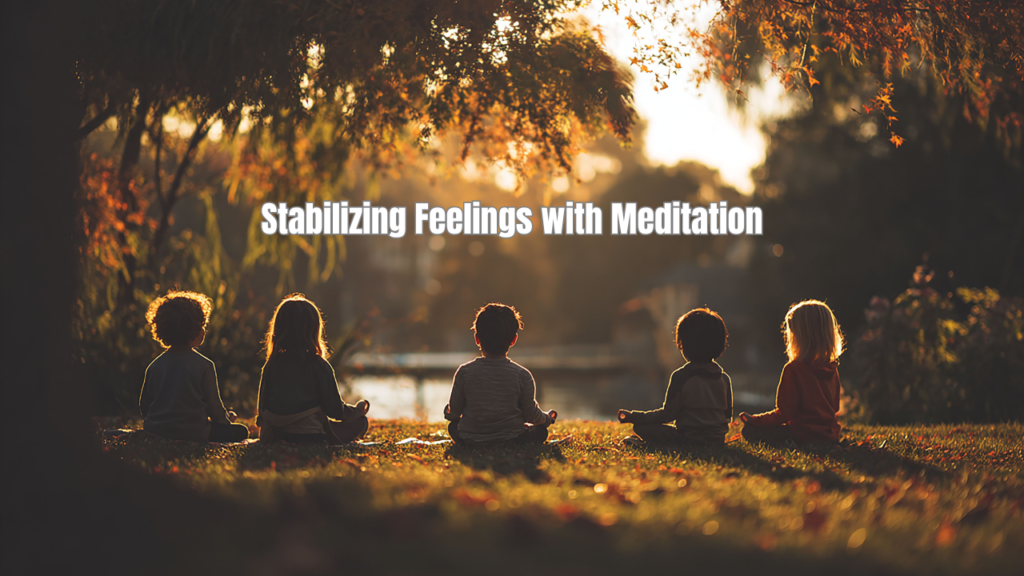
Stabilizing Feelings with Meditation

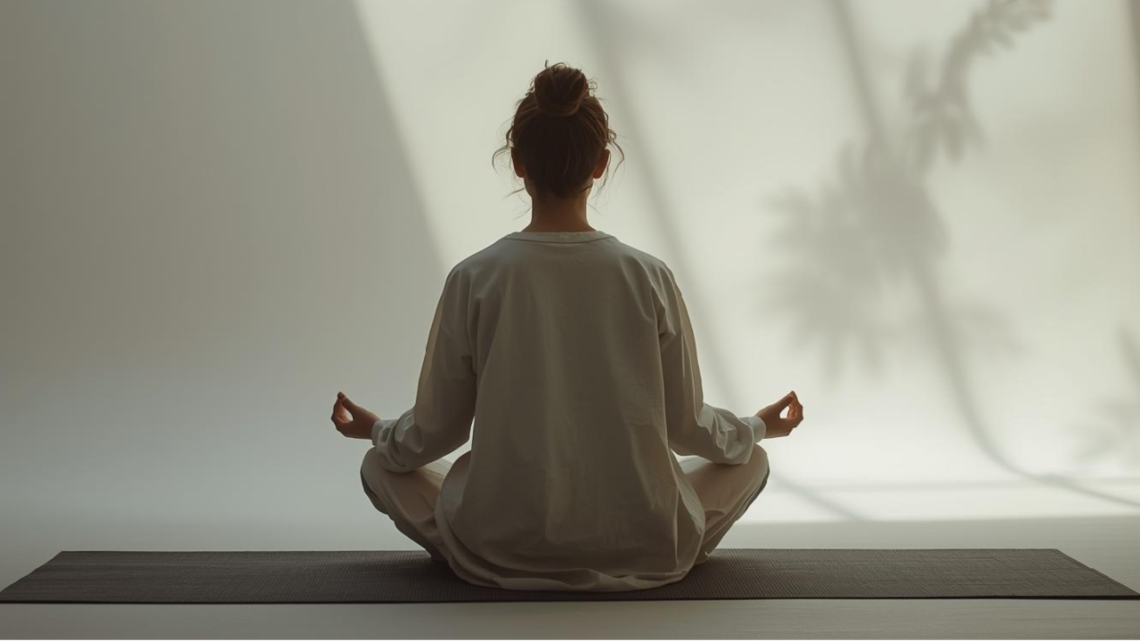
Meditation Sensations are a natural and effective part of being human. Joy, despair, rage, worry, love, and peace type just how we experience life and relate to others. Yet, when feelings become overwhelming or unrestrained, they interrupt the internal consistency of the mind. In today’s hectic world, emotional discrepancy has actually wound up being significantly common, causing stress and anxiety, anxiousness, connection problems, and a continuous feeling of discontent.

Reflection gives a mild yet extensive method to bring back psychological stability. As opposed to lowering sensations or responding impulsively, representation helps us acknowledge sensations, manage them, and transform them into sources of knowledge and inner peace. Via normal method, reflection strengthens the mind, relaxes psychological disturbance, and reconnects us with a consistent interior facility.

In this blog, we find exactly how meditation aids maintain feelings, why feelings go out of stability, the duty of breathing methods, and simply how awareness becomes an effective device for emotional recovery and tranquility.

Why Sensations Head Out of Stability

Mental inequality does not take place overnight. It is generally the outcome of developed anxiety and anxiousness, unclear experiences, and a lack of recognition of the mind’s internal operations.

The Nature of Emotions

Emotions are responses to indoor and outside stimuli. They develop mental, affected by ideas, memories, assumptions, and presumptions. When the mind is calm and clear, feelings move normally and pass without establishing interruption. When the mind is littered or worried, sensations escalate and linger.

Reflection reveals us that feelings themselves are not the problem. The problem lies in recognition– when our company believe we are our feelings instead of customers of them.

Tension and Psychological Overload

Modern life puts consistent needs on focus. Work stress, electronic distractions, social presumptions, and unpredictability overload the mind. This mental tiredness damages emotional longevity.

When the mind is overstimulated:

Tiny problems turn on solid emotional responses

Willpower decreases

Nervousness and irritability rise

Inner harmony winds up being vulnerable

Reflection helps by supplying the mind deep rest, enabling psychological equilibrium to usually return.

Unclear Psychological Experiences

Suppressed or unprocessed feelings gather listed below the surface area. With time, they manifest as unforeseen anger, distress, or emotional feeling numb.

Without understanding, the mind avoids discomfort as opposed to healing it. Reflection establishes a risk-free internal area where emotions can appear, be recognized, and launched thoroughly.

Recognition with Ideas

Ideas fuel feelings. Repeated lack of confidence enhances emotional patterns such as problem, guilt, or bitterness. When the mind believes every idea, feelings spiral out of hand.

Reflection trains the mind to witness ideas as opposed to becoming captured in them. This experiencing compromises emotional reactivity and revives equilibrium.


Breathing Practices

Breathing is the bridge in between the body and the mind. Alterations in breath straight influence emotional states. Shallow, rapid breathing usually features stress and anxiety and anxiousness or mood, while slow-moving, deep breathing preserves calmness and tranquility.

Depiction integrated with mindful breathing approaches occurs an efficient tool for emotional regulation.

The Link In Between Breath and Feelings

Every feeling has a breathing pattern. Concern reduces the breath, despair makes it hefty, and mood fine-tunes it. By purposely managing the breath, we influence the feeling of the mind.

Taking a breath approaches kick back the nerves, reduced stress hormone reps, and generate emotional security.

Deep Belly Breathing

Deep breathing is among the easiest ways to support feelings. It indicates security and safety and security to the nerve system and settles back the mind.

Technique:

Sit conveniently with the back upright

Inhale progressively with the nose, permitting the abdominal area to raise

Breathe out carefully, allowing the abdomen soften

Proceed for 5– 10 mins

This approach premises the mind and decreases mental aggravation.

Well Well Balanced Breathing for Mental Tranquility

Well balanced breathing involves keeping a consistent rate of breathing and exhalation. This rhythm stabilizes psychological versions.

Exercised prior to meditation, well balanced breathing prepares the mind for deeper understanding and harmony.

Breath Acknowledgment Representation

Merely observing the natural circulation of breath without changing it brings immediate emotional balance. This method changes attention far from emotional storms towards today minute.

With time, breath recommendation creates emotional proficiency– the capacity to recognize feelings without being mystified by them.

Breathing Throughout Emotional Triggers

Representation educates that throughout psychological triggers, returning emphasis to the breath safeguards against responsive tasks. Additionally a couple of mindful breaths produce area in between feeling and response.

This time around about out is the framework of mental effectiveness.


Acknowledgment & Recovery

Recognition is the heart of reflection. Without understanding, feelings handle the mind. With recognition, feelings wind up being teachers instead of difficulties.

Comprehending as Emotional Witnessing

Representation grows the capacity to observe emotions without judgment. Rather than determining sensations as great or negative, understanding permits them to be actually felt completely and released generally.

When feelings are observed:

Their stamina decreases

Clearness boosts

Internal serenity emerges

This process prevents emotional suppression while remaining clear of overreaction.

Recuperating Via Authorization

Lots of psychological battles proceed as a result of resistance. Fighting sensations enhances them. Reflection reveals approval– not resignation, nevertheless recognizing.

When emotions are accepted with acknowledgment, recuperation starts. Approval enables the mind to loosen up and integrate experiences rather than withstand them.

Launching Emotional Patterns

Recurring psychological responses develop patterns. Reflection breaks these patterns by bringing them right into aware understanding.

As recognition deepens:

Old emotional routines lose power

Emotional injuries soften

Internal stability expands

Recuperation takes place not forcibly, yet by mild understanding.

Compassion Toward the Self

Psychological equilibrium requires self-compassion. Representation supports empathy towards one’s very own experiences.

Rather than criticizing emotional reactions, understanding encourages perseverance. This worry heals mental marks and develops interior harmony.


Representation Strategies for Emotional Stability

Mindfulness Representation

Mindfulness requires being completely existing with principles, experiences, and experiences. Exercising mindfulness strengthens psychological criterion and psychological top-notch.

By observing experiences as short-term experiences, the mind stops hanging on to them.

Loving-Kindness Reflection

This type of representation broadens favorable sensations such as love, grace, and concern. It keeps unfavorable emotional propensities and opens the heart.

Loving-kindness representation enhances psychological toughness and harmony.

Body-Based Comprehending

Experiences normally appear basically. Depiction that contains body understanding assistance bargain emotional anxiousness kept in the body.

Looking into the body with identifying sits back both physical and psychological anxiety and anxiousness and anxiousness and stress and anxiety.


Integrating Reflection into Day-to-day Live

Reflection does not finish when one leaves the meditation seat. Psychological balance is strengthened when recognition continues throughout everyday tasks.

Easy methods include:

Stopping briefly prior to responding mentally

Taking conscious breaths during stress

Observing emotions during conversations

This combination changes day-to-day live into a continuous method of tranquility.

Long-Term Benefits of Meditation for Emotions

With normal method, reflection changes psychological life:

The mind comes to be tranquil and centered

Psychological responses soften

Peace ends up being stable

Relationships improve

Inner confidence grows

Feelings no more control the mind– they exist side-by-side harmoniously with awareness.


Typical Difficulties and Gentle Solutions

Uneasyness

Preliminary reflection might feel uncomfortable. This restlessness signifies kept emotional energy releasing. Uniformity delicately settles it.

Emotional Surfacing

Reflection may bring reduced feelings to the surface area. Recognition and patience enable healing without overwhelm.

Disparity

Short, routine reflection sessions are much more reliable than occasional lengthy ones. Consistency constructs psychological balance gradually.


Final idea

Representation is a reliable course to psychological equilibrium. By calming the mind, managing emotions, and expanding acknowledgment, reflection revives internal tranquility typically.

Instead of staying clear of feelings or being managed by them, meditation shows us to recognize and integrate them. Through breath, acknowledgment, and thoughtful monitoring, psychological recovery unravels delicately.

As reflection becomes a part of day-to-day online, the mind discovers stability, sensations find balance, and serenity winds up being a long lasting internal experience rather than a short lived minute.


Leave a Reply

Your email address will not be published. Required fields are marked *