Skip to content
GuruPranam Motivation

Daily Motivation from the Heart of Spirituality

  • Home
  • Meditation
  • Spirituality
  • Yoga
  • Sri Sri Wisdom
  • Home
  • Meditation
  • Spirituality
  • Yoga
  • Sri Sri Wisdom
  • Power of Mantras in Spirituality Power of Mantras in Spirituality In a society that never stops buzzing with messages of deadlines, traffic and the constant whirlwind of our minds, the search to find peace within can seem like an unattainable possibility. You can read about tips on meditation, do a frenzied breathing exercises and, yet it seems that a deep, profound peace is usually just a bit beyond our reach. Is there a key, or a sonic instrument that has been used for centuries, specially designed to calm the raging within? What if the pathway to calm wasn't just about silence, but instead about the right sound? This is the old, fundamental secret of the mantra. In addition to words or phrase, mantras are believed as spiritual practices that are spiritual capsules. They're vehicles for consciousness intended to move practitioners out of an agitated state into a state of deep calm, eventually towards a full-on experience of God. The effectiveness of mantras in the realm of spirituality isn't an act of blind faith but rather a highly sophisticated psycho-acoustic system which aligns our physical as well as our emotional and energetic bodies. This is a deep look into the realm of chanting, an exploration of the reasons we practice it, the transformational benefits it brings along with a list of some of the most powerful popular mantras. It doesn't matter if you use this method in the form of a focused practice or as an act of profound devotion to God or to the universe you'll discover that sacred sounds can serve as your savior in the midst of chaotic world, and guide you back to you. Why We Chant: The Science and Spirituality of Sacred Sound In order to understand how the repetition of words is effective in communicating it's necessary with dispelling the idea that it's just "repeating phrases. " This is actually an exchange with the essence of all things: vibrating. The Principle of Nada Brahma: The Universe is Sound The old Vedic wisdom instructors declared Nada Brahma: "The world is the sound. " The modern physics echo the same idea. Subatomically, all things are at a the highest level of vibration which is represented by electrons, which revolve around the atom towards satellites orbiting stars. Sound frequency creates vibration is the primary component that decides. Cymatics, studying the spectrum of sound that is visible shows how particular frequencies produce stunning geometric patterns on the sand as well as in water. If the spectrum of sounds can change the world, how will it affect our bodily fluids, the vibration of bodily organs, and even our minds? The word mantra is not just a random collection of phrases. It's an specifically designed sound pattern which is specially designed for a result which is distinctive and transformative to our nervous system and our mind. The Anatomy of a Mantra: More Than Meaning Though certain mantras can transform into meaning, like "I am the universe," the meaning of the mantra is usually not the scope of human understanding. The power of a mantra derives in the following ways: Bija (Seed) Syllables which contain one syllable like "Om," "Shrim," "Krim," or "Hrim. " These are considered to be the origins or combined energies of the mantra. They are the potential and power of a specific power or god. The oak tree is the power of an oak tree. This is crucial that you keep your Rhythm and Meter precisely. timing and pronunciation of the mantra are crucial. The rhythm triggers the brain in a way that directs them away the anxious state of consciousness that is beta towards a more tranquil Alpha and Theta state connected to deep peace and contemplation. the Energy Resonance Every mantra is thought to activate certain energy centers (chakras) found within the sub-conscious of your body. Its vibration resonates throughout various regions within the body to clear blockages as well as allowing the energy flow of the universe (prana) to freely flow. The Two Primary Paths: Meditation and Devotion Chanting is an extremely popular pastime because of a variety of factors. Chanting is generally classified into two gorgeous, and usually related, ways: to aid in meditation. to help you focus for many it can be the most effective instrument to use to focus. Mind is a finite being often referred to as a "drunken monkey. " When trying to sit in meditation, one is trying to manage an ocean that's in turmoil. The mantra is a way to teach that mind to do one thing. As we slowly bring our attention back to the mantra while focusing on the sounds, we are able to make our mind still. The mantra acts as the underlying principle that keeps us in the middle of thoughts. It can serve as an effective tool to focus our focus that may result in a state of mind which is devoid of awareness and deep mindfulness. A form of worship, for certain individuals, the practice of singing can be a genuine affirmation of love as well as an expression of spirituality. This is the method to practice Bhakti Yoga, an act of commitment. This is because the mantra goes beyond an ordinary call. It's more a declaration that represents God as a God of love or the image of the most pure awareness. The mantra is a plea or cry for a chance to be in touch to spirituality and the Divine. It is a way of letting go of the ego and pouring your heart and believing in the sound. The dedication of the heart may be enough to soothe the mind. The mantra is not a forceful expression, rather through the force of love. If you're searching for tranquility or are an admirer of God the mantra is the way to get to where you want to be. A Treasury of Transformation: Famous Mantras and Their Meanings The most sacred religious traditions of the globe contain a myriad of significant terms. There is no need to be an Sanskrit professional to enjoy the benefits of pajamas. All you need is sincerity and dedication to following. It is only a handful of the most well-known practices that have helped thousands of people to achieve the spiritual journey. 1. Om (or Aum) - The Primordial Sound The HTML0 is the simplest definition. The theory is that it could be the sound which been the source of all creation in addition to being the foundation from which all of the various forms that exist that exist in the universe originated out of. The reason for this is that it covers the current, past and the future. It also examines the various stages of getting up, sleeping, and going to sleep. Fourth is the period of silence. This is which is followed by silence. It is a sign that the mind is an uncontaminated state. from any contaminant. What do you know about the tune to choose? How do you know the most effective option to be at comfortable in your own home. Relax, and take an inhale. After exhaling, you are able to sing the song "A-U-M," allowing the resonance to flow over the navel (A) to the upper and then to you chest (U) to your left before moving toward the top of your forehead (M). You'll be able be able to feel the vibrations are radiated from the resonance through your body. Benefits What's great about HTML0 is that it puts individuals closer to everything and aids in the creation of zen-like thinking. It's the ideal method to start or end your practice of meditation. 2. Om Namah Shivaya - Salutations to the Inner Self What's means by mantra? The mantra is an imposing one made up of five vowels in the Hindu tradition. The mantra is often referred to to"the" Panchakshara mantra. The meaning behind HTML0 The reason of HTML0 can be described as "I bow to Shiva. " Though Shiva is often regarded as God but from an broader standpoint, Shiva represents the highest spirituality within our souls. It's the part of that is peaceful and unaffected. The Chant can be repeated larger volume or just sung to calm your mind. "Om Na-Mah, Shi-Va-Ya. " It is a very popular tune that is commonly performed when performing Japa exercises. In Japa the song is performed frequently using mala (prayer beads ). ). Benefits It assists by changing the way that you think about yourself. It can help you shed the layers of self-image and self image (anger and jealousy) which can hinder our basic need. 3. The Gayatri Mantra - A Prayer for Illumination What does it mean? The most famous phrase of the Rig Veda is the most famous the mantra. The mantra is generally believed to be an awakening state. The significance (Approximate): "We meditate over the amazing splendor emanating from the Divine Sun. Allow it to shine through our minds to help improve our thinking. " It's an excellent way to let go from the notion that we are insane and giving us the opportunity to absorb God's wisdom. God. What's the best way to Chant? The most effective timing to sing it is early morning or the midday, or after sunset. It is because it's a form of chant. The most effective method to master the chant is watching videos that demonstrate proper pronunciation, as well as how to perform it in the right way. Advantages and advantages according to a few benefits, it may increase your mental acuity, improve the ability of your brain to think and increase the capacity of your brain to think and also connect with the heart of information and luminosity. Lokah Samastah Sukhino Bhavala Bhatu - A Prayer on Beings. That is why, the given situation is turning into the trigger of This is a prelude to the Sanskrit mantra, a symbol of such concepts as compassion and even kindness. This is to imply that everything that exists needs to be preserved and content and that whatever I will do concerning my actions, utterances and ideas will be tranquil and delightful to everyone in my life in my day time. " Chant Chant probably is a wonderful song. It is one of the most listened music that is played during or before other festivals. and this is the reason why Chant Chant is a critical approach to love-making, and it will certainly only ascend. Benefits will provide the most appropriate opportunity to improve the lives of the loved family members. They also assist in overcoming the feeling of loneliness in your world. They are also useful in the well being and health of all people as the brain functions are maximized. Om Mani Padme Hum - The Jewel in the Lotus. What is exactly the meaning? What does it entail by this notion? This is the notion that lies behind all the concept of the Tibetan Buddhism that relates to a Buddha of Compassion Chenrezig ( Avalokiteshvara ). The symbol of the spirituality in all the life spheres is it. It is a symbol of a multiplicity of meanings of this word. It does not simply mean what it literally means The lotus The lotus may be the jewel found in the lotus. The issue that can make someone think about its relevance is that it proves empathy and compassion. It is also by way extension the manifestation of the qualities that demonstrate the ability to elevate the degree of awareness in the brain. There is also its assistance to such individuals who are still conscious enough. In what way, do you think the melody should be? The most prevalent of them is the mala beads. It is the tune that is beaten each time there is a light in your body, vitality, and of all other things that live. Benefits also bring happiness of life (Karuna) to the users in addition to assisting them counter ill effects that come with Karma. The advantages willingly permit you to take a glimpse of how you can make your heart grow big. A single Christian Mantra: the Jesus prayer. What does the prayer mean? Yet what is it that it is chattering about? Meaning What is the meaning, one of the prayers well-acclaimed. According to the opinion of people, it is the greatest role of the rituals that are related to the Eastern Orthodox Christianity and it shows the importance of rituals to the Sacrament. It is regularly employed to celebrate a ritual. The bible could be identified with its purpose. It is not important, Lord Jesus Christ, the Son of God. As God Spare me, sparing me, sparing me, I am not a huge special one. It is an incarnation of a mark of a submissive accepting or a mark of recognition. It is also the expression of love, affection to each other. What is the most effective way of praying? There are, then, quite a few breath-taking-prayerers. This is among the practices that are employed often. It is therefore not hard to be sure that you are doing the right thing and you are implementing the advice which is given by Paul on how to pray forever. " The ultimate consequence is severe punishment of the sinners that results to peace. Some kind of contact to Christ which brings about peace. Peace is the fruit of the power of religion. The Alchemy of the Habit: The Daily Transformational Benefits of Chanting. It is one thing to read about mantras and it is another to feel their power. The real magic is not a one-time event, best done through regular practice, which is daily. The advantage of chanting every day is cumulative and transformational which slips into all spheres of your life. 1. Relaxes the Nervous System and Stresses Away. This is among the most obvious and scientifically observable advantages. Mantra repetition with rhythm particularly in combination with deep and slow breathing, will stimulate the parasympathetic nervous system- the body rest and digest system. This is the opposite of the stress induced fight or flight reaction. It has been demonstrated that mantra meditation has the ability to decrease cortisol levels (stress hormone), decrease blood pressure, and slow down the heart rate. The chanting vibration is like an internal massage and thus calms the whole being. 2. Enhances Attention and Cognition. The attention muscle is a demanding exercise used in the practice of chanting. With every time your mind drifts to the issue of worry, memory or to do list and you soothingly redirect your mind to the mantra, you are exercising your prefrontal cortex-the area of the brain that controls focus and executive functionality. In the long term this increased concentration ability transfers into your life. You are less distracted, more attentive in discussions, and can accomplish tasks without mental distraction. 3. Develops Emotional Strength. We are highly emotional beings who are closely connected to the thought patterns. Anxious thoughts are repetitive and generate anxiousness. Chanting would provide a separation between yourself and thoughts. The awareness that comes to you is that of witnessing as you become less and less part of the turbulent flow of your thoughts and more of the mantric flow with its steady beat. You start realizing that you are not what you think. It is a place that you can react more equanimously to challenges in life and less reactively. The mantra will be an escape, a place to go when the emotions are too much. 4. Develop Your Identification and Piety. To the devotees, chanting every day is such as watering the roots of relationship to the divine. The recurring use of a name of God or a holy word encourages a personal, close and intimate relationship. It changes praying into an action to a condition. This creates a sense of thanksgiving, love and surrendering, which are effective remedies to the loneliness and isolation that pervades the contemporary world. 5. Cleanses and Detoxifies Your Vital Body. The results of chanting every day are not only psychological but energetic as seen through the lens of yoghic thinking. The subtle body consists of 72,000 nadis (energy channels) and seven great chakras (energy centers). This system may get blocked by stress, negative emotions and trauma, resulting in mental and physical dis-ease. Vibration of a mantra is reported to remove such blockages similar to how sound can break a glass. As a direct consequence, a clear flowing energy system leads to extreme vitality, intuition and an overall well-being feeling that pervades. 6. Wakes Up Consciousness and results in Self-Realization. The end product of mantra practice in most traditions is this. The mantra is a vehicle that helps to transport you to the point where you are actually your own Self. You start being more like the qualities by constantly imbibing in a sound that symbolizes a state of peace, love or God. The mantra is like a tuning fork, which identifies your own consciousness with the universal consciousness. The difference between the chanter, the act of chanting and the chant itself starts to blend out through prolonged practice. You are left with the naked consciousness, harmony of mind and the immediate perception of oneness with everything. A preface to an Everyday Chanting. Starting is simple. You do not even need your room and time off. Select Mantra: Choose any one of the above that you like. It is appropriate to start with the word Om that means everything. Time: Mornings are the most appropriate, since they precondition the atmosphere of the day which is calm. Even 5-10 minutes is powerful. Seat: Sit up comfortably. Make a Wish: Spend a few seconds in calling the motive of this doing it, be it peace, be it clarity, be it love. Begin: Close your eyes. Take a few deep breaths. Start uttering your mantra or whisper or in your head. Be Soft: Thy mind shalt rove. Rejecting any judgment, repeat it to the sound of the mantra. It is neither what is called perfection, the giving loving back. Close with Silence: You suppose you are prepared, put away your chanting, a minute, halting, and relax. Pay attention to the condition of your spirit, the feeling of your heart. The Journey Home to Yourself The mantra success in the religion is the blessing of everlasting nature to the human beings. It is a path that feels both absolute and bottomless. Sometimes it shows up as the calm presence of a seasoned meditator absorbed in sacred sound. Other times, the whole soul of a devoted seeker pours into the chant, turning it into a direct inner road. The noise of the world and the commotion in the mind begin to fade away in the holy space that is created by the repetition of these strong sounds. Nothing comes out of it, but there you have always found something, your natural, absolute, as timeless inner peace. Then, inhalation, and

    Power of Mantras in Spirituality

    December 14, 2025 - By Angshuman Das

    Power of Mantras in Spirituality Power of Mantras in Spirituality In a society that never…

    Read More
  • Desire: Fuel or Trap in Human Life Fuel or Trap in Human Life The voice awakes us of bed each day and the bright fire that keeps us awake in the in the early hours of evening. It's at the root of our greatest accomplishments and also the root of our deepest griefs. Starting with the basic need to sip a cup of coffee in the early morning hours, to the deep desire for meaning connections, love and meaning. The need for fulfillment is the major motivational force that drives the alive each of us. Fuel or Trap in Human Life Do we have the proper power source to propel us forward or simply an impervious trap designed to drag our feet? As with most of the fundamental aspects of human nature there isn't a way to make it easy. The relationship between our desires and feelings is an intricate process which is controlled by our brains is synchronized with the beats in our minds and producing ripples that reverberate all over our lives, thanks to the universal law of Karma. Fuel or Trap in Human Life on the demonization or adoration of love. This research is about trying how to comprehend its purpose. Through examining the wisdom contained in sacred text of the past, and determining the differences between healthy and binding desires and methods to break the boundaries of love, we can change our relationships with the force which is within us. Discover how to let the desire to be an inspiration source instead of a tie, to a living a life that is filled with happiness and an inner feeling of freedom. The Ancient Mirror: What Spiritual Texts Say About Desire From the beginning of the age, mystics and philosophers are examining the significance that love has. The ideas they've formulated in various sacred texts from different religions, function as constant mirrors, which show the dual nature of the human attraction. The Eastern Perspective: The Root of Suffering and the Web of Karma Eastern philosophical tradition, specifically Buddhism and Hinduism the idea of desire is often regarded as the principal reason for the feeling of pain (Dukkha). The Buddhist viewpoint 2. Noble Truth Buddhism declares without ambiguity that the cause of suffering is within "tanha" - which translates to desire, thirst or a requirement. The goal is not just to indulge in pleasures that can be enjoyable and sensual, however there is also the desire to feel a person differently than it is, and the seeking to be free of. The Buddha believed that everything is forever, and clinging to wishes will ultimately lead to failure along with suffering being eliminated. Clinging to them creates Karma and the link between cause and consequence that can bind us to a spiral of pain and loss (Samsara). Everything that is motivated by desire is the seeds which will eventually produce fruit, and keep us in the cycle of earthly life. The Hindu Perspective The Hindu viewpoint The Bhagavad Gita provides a unique view. Lord Krishna acknowledges that desire is the primary part of the human condition, however it is necessary to draw a distinction made between those that are selfish, as and selfless service. In the Bhagavad Gita, Lord Krishna states that desires that are triggered by the "mode of passion" leads to connection. The actions that aren't tied to the consequences of the act may allow an individual's freedom. The Gita warns against cravings that are out of control and cause harm to our souls "When the mind is occupied by objects, an they become attached to them and from this desire, attachment is birthed; and from this desire is born anger... and out of confusion of memory, comes the an inability to reason, as a result of loss of rationality the person dies. " Chain reaction from anger to desire, and eventually the delusion, beautifully illustrates the way a single thought could entrap you and result in negative Karma. The Western Perspective: Ordered Loves and the Ultimate Desire Abrahamic methods provide an understanding of desire to not be seen as a sin, instead as a problem which requires to be controlled. An Christian Christian The Christian Perspective: Christianity It is not an individual desire, however it's an abuse of the desire. The saint St. Augustine famously sang, "You have made us for yourself, O Lord, and our heart is restless until it rests in you. " The primary human need is to seek God in addition to the Divine. According to the definition, it being a sin is to inexplicably change that desire toward less or made things like wealth and power as well as pleasure and joy in the form of idols. The enactment the example of The Ten Commandments can be taken as a way to direct our attention away from sinful ways (coveting and the need for love) towards a more intimate connection with God and our fellow human beings. The Sufi perspective (Islamic Mysticism) Sufism is a spiritual part of Islam is characterized by a deep desire to be loved by the one they're loving (God). This love does not diminish, but it's intensified and enhanced. A person who is seeking the root of their desire for love radiating from their external as a means to attain the joyous union with God. Divine. It is possible that individuals are attracted to all the metaphors and symbols that are prevalent in the world instead of being attuned to spirituality and the Divine Reality the Sufi view is pointing to. Through these diverse ways of thinking, one commonality is that pure love creates hurt and ties, which has a profound influence on our spiritual level. But, the force that is completely acknowledged, purified and channeled, can become an engine for the highest stage of development. "The Two Faces of Desire: Differentiating Fuel from Trap To be able to navigate the realm of desires effectively We must be able to discern between its two basic forms: needs that support our development as well as the ones that contribute to our disconnection. Healthy Desires: The Fuel for Evolution Healthy desires are the motivations which drive us towards life as well as growth and contributing. They align with the core values of our fundamental nature. Consider them to be the spiritual compass. The Need for Growth It is the need to improve, to acquire skills, to comprehend our own self better and grow our minds. It's the passion that motivates the learner as well as the artist and the person who is seeking. The Need for Connection A desire for true connection, love, friendship and empathy is an essential human need. The desires we have are able to move beyond the isolation of our egos and toward feeling of belonging and a sense of shared humanity. The desire to contribute It is the desire to give back and to produce something valuable, to assist others and leave the world better than the way we found it. Perhaps this is the most spiritually mature type of desire since it shifts attention to "what can I get?" towards "what can I give?" The Need for Health It is the basic and vital desire for safety, health as well as a decent living. They are the foundations on that higher goals are built. They are like pure-burning, clean-burning energy. They help you stay focused and have vitality. They help the mind engage in solving problems with creativity and bring the heart full of positive emotions, such as optimism happiness, joy, and excitement. The positive karma that is generated by the those actions that result from these desire will be beneficial; it leads to an environment of purpose connectedness, meaning, and expansion. Binding Desires: The Trap of Entanglement Inspiring desire however can be a trap. They're characterized by addiction, attachment and feelings of being insecure. They are a result of the belief of the ego the idea that happiness can be an external thing that can be obtained. The desire to Sensory Insanity: The compulsion need for enjoyment, ease, and more thrills. It's the "hedonic treadmill," where the enjoyment is short-lived and never stops, that can lead to exhaustion and dependence. The need for power and Control: The need to control others, influence situations and feel crucial. This is the result of an insecure and deep feeling that leads to an atmosphere of stress and tension. The desire for approval and validation: making our self-worth based on others' opinions. It turns us into the stage actors that are constantly on stage and lose the connection with who we are. The Need to Have The notion that buying something like a car, an apartment, or a spouse--will ultimately bring us eternal happiness. That is the essence of our culture of consumption as well as a certain way to be constantly unhappy. The desire to be bound is like an enclosed space. They lead to a feeling of internal poverty where your mind gets obsessed by all the things that it isn't. They can trigger emotions that are volatile, such as fear, jealousy and anger when they're stopped. They also generate terrible negative Karma. The actions motivated through jealousy, anger or a desire for control cause ripples of misery on us as well as others and bind us more tightly to the cycle of cause and effects that our sages had warned us of. The most important distinction isn't the item of our desire the relationship we have to the object. An ordinary meal could be nutritious and satisfying but it can also be a binding urge if it turns into an uncontrollable desire for an experience that is specific and delicious to be content. The problem isn't in the physical world, but instead within the grip of our thoughts. The Path to Mastery: How to Transcend the Trap of Desire This isn't about turning into a solid and non-passionate in motion. The aim is to become free. That implies being in the universe however not being in it. This is the process of using desire to serve as a tool, using it to serve a purpose. This is a means to overcome the desire that exceeds its limit instead of repressing it. This is an effective and multi-layered approach to achieve this. Step 1: Cultivate Witnessing Awareness The first and primary step to take is to build space of distinction between yourself and your mind's whirlwind. This can be achieved by practicing the practice of mindfulness as well as meditation. Relax. Sit to contemplate and take note of the thoughts that are in your mind. It's effortless to see desires coming up in waveforms "I want a coffee," "I wish I had that job," "I would like them to love me. " A good practice is to not to be a judge, or stop the flow. Keep a note of it: "Ah, there is an urge to be recognized. " "There exists a need for sugar. " The shift: This simple thing to notice is that it removes you the desire. The craving is not you that has the urge and instead you're aware of the place where the desire arises before it goes away. This dismantles the habitual behavior and allows you to have the power to choose which action you wish to choose. Then it becomes apparent the reality that you don't possess your thoughts. The thoughts or feelings that it produces. Step 2: Interrogate Your Desires If the thought of a desire arises, do not simply follow it blindly. Ask it questions that are compassionate. The question will shed light in the shadow of compulsive craving. Ask Yourself: "What could happen should I not get this? " (You will likely discover answers that read "I am going to survive, and I could be okay. ") "What more important needs is this desire drawing attention towards? " (The need for a brand new car could seem like a mere manifestation of a greater longing for respect, security or perhaps the freedom. ) "Is this desire originating from a source of love and expansion or an area of fear and fear? " "Will satisfying this dream bring lasting peace or is it just short-term relief that is followed by a new need? " The method of asking questions like the Socratic method, when applied to the mind will help identify a true soul-call as opposed to a trap for your self-interest. This process activates the discernment portion of your brain, which assists in calming the excessive feelings. Step 3: Purify Desire Through Sublimation Sublimation is an alchemical method to transform a weak and binding urge into an enlightened, healthier one. Sublimation is not about destroying the desire, but rather changing it to an outlet that is more satisfying. An example: The pure emotion of sexual desire (a strong biological force) can be converted into creative energy to be utilized in musical expression, art or for writing. Also, it can be channeled into the force of unconditional love and compassion (as is the case with Brahmacharya Yoga). Examples: The urge to outdo others may be absorbed into the desire to be healthier and surpass your personal goals. An example: A desire for novelty in the senses could be transformed into a desire for knowledge, and spiritual encounters. This is what you get by using your energy in a wise manner. It recognizes the power behind the desire, yet chooses the goal that can lead to development rather than bonding. Step 4: Practice Desire-Free Action (Karma Yoga) It is the crown gem of management of desires that is addressed directly within the Bhagavad Gita. Karma Yoga is a form of selfless actions. This means that you perform your duties at the highest level you can without being dependent on the result. The Approach: If you're doing work or having a chat or cleaning the house put all your energy in the process. Let go of any attachment to how the action will be taken in, whether it's going to result in praise, success or some other specific outcome. The Effect: This technique cuts off the relationship between an act and bound karma it normally generate. It is a matter of action, but don't create new chains of karmic karma as you're not pursuing it in pursuit of the sake of a self-centered, desired effect. That leads to an immense sense of personal liberation. There is no longer any toy dragged around by expectations of reward or the fear of failing. Your mind is calm and emotions remain calm, since the peace you enjoy is no longer dependent on events outside. Step 5: Fulfill the Ultimate Desire Fuel or Trap in Human Life The Sages have suggested that the myriad of tiny needs that we face appear to be fragmented manifestations of one and only one wish: the need for completeness, harmony, peace and unity with the Divine (however you determine the term). If you set this as the primary focus of your meditation practice or self-inquiry, prayer or other acts of love that are profound, a amazing thing happens. Smaller desires start to fade away. If you're connected to the inner source of happiness it, you don't have to seek it out from beyond. Your desire for a brand purchase decreases when you live in a state that is filled with inner peace. Needing external approval diminishes once you're at peace with your personal value. Fuel or Trap in Human Life or Trap in Human Life level of state of transcendence. This isn't a condition that is void of all desires instead of having everything you require. Fuel has completed its duty; it has brought you to your destination. The trap has been opened so that you're now totally at peace. Conclusion: Embracing the Dance Fuel or Trap in Human Life Fuel or Trap in Human Life It isn't a fault inherent to human nature; it's a key component of the human engine. It's the evolutionary drive which has taken humans from caves to cathedrals. The task, as well as the chance to be an active driver for this powerful machine. Understanding its essence by gaining spiritual insight, deciphering the healthy and binding aspects by embracing the art of transcendence using contemplation, investigation, and selfless actions We can change our relationships with this primordial power. Learn to let our minds know, our thoughts and emotions guide us that they are not ruled by, and then our actions create light not the shadow of karma. It is our choice either to get caught in the lure of unending desire and to harness the power of pure desire to lead the pursuit of a profoundly meaningful life peace, tranquility, and genuine liberation. Dance with your desire is the life-long dance it self. If you master its dance steps, you'll be dancing beautifully.

    Desire: Fuel or Trap in Human Life

    December 11, 2025 - By Angshuman Das

    Desire: Fuel or Trap in Human Life Fuel or Trap in Human Life The voice…

    Read More
  • How Faith Overcomes Doubt Faith Overcomes Doubt and faith are two factors that determine the journey to spirituality of each person. These aren't just thoughts, but two distinct energy sources that impact the way we perceive, make choices and our peace of mind. Faith is uplifting, doubt upsets. Doubt erodes faith, but it builds. But, within the vast plan of existence both have an important part in bringing about greater understanding. True faith does not rely on an illusion of faith, but rather a deep confidence that comes from experiences as well as devotion and meditation. If faith is strengthened then it transforms into peace. In the event that doubt takes over then it agitates the mind. The path to spirituality, therefore it is a constant finding a balance, learning how to transcend doubt and relax in the peace that faith provides. Through this journey we'll discover the characteristics of doubt, the strength of faith and consider Gurudev's advice about trust, in order to be able to take a step towards clarity and experience an unwavering sense of peace. Nature of Doubt Doubt does not indicate something that's wrong. Doubt is a sign of uncertainty which seeks to find the truth. In the beginning of our spiritual development, doubt functions as an instructor. It makes us think and ask questions to uncover solutions that aren't easy. If handled incorrectly, it can turn into an emotional tension that impedes thinking, and it can deprive our minds of peace. What Is Doubt? Doubt could be an indication that your brain has become disconnected. If you are able to hear someone saying "What if I'm wrong? What happens if I decide this doesn't work suitable for me? What happens if I don't succeed? " Although these questions are normal, they are a sign that your mind cannot yet believe. Doubt is usually rooted in two different areas: Inexperience in particular We're unsure of this is because of the experiences we've enjoyed the privilege of. Instability of the mind mind that is agitated or disorganized can't be trusted. Spiritual approach to life When we meditate or seek the advice of an instructor, self-consciousness will usually resist the desire to release. It is afraid to not the position to take charge. The fear can be expressed in doubt about the method of teaching and instructor as well as doubting your self-worth and worthiness of oneself. Doubt and the Ego Ego is a kind of animal which has a tendency to be separated. It says "I know better," or "I am able to do this on my own. " However, the road towards spirituality starts by acknowledging our limitations. Doubt is among the most challenging weapons employed by self. It uses logic to test the foundation of faith. For example, if you're meditating and you are unable to focus your mind it is possible to be thinking, "Is this really helping me? " or "Why is it that I am just doing nothing? " The mind is obstructed from coming back to its inner self. In reality, meditation involves faith, trust and confidence in the power of silence to heal along with belief in the potential of silence. As Gurudev Sri Sri Ravi Shankar often says, "Doubt is as the cloud. It's in no way capable of obscuring the sun the duration of. When the consciousness whirlwind is destroyed by the sun. It is going to disappear. " The main part isn't to fight doubt, instead, but simply examining the issue. Being aware is the best defense. If we have the ability to look at the part of our brain that is doubtful, then we can let it go from its grasp, it can see clearly. Healthy Doubt vs Destructive Doubt It's not always a great decision to ask questions. The doubt that's healthy may lead to curiosity and leads people to search for authentic experiences. When people ask questions to the Guru inquiries that are true and the curiosity increases comprehension. Uncertainty can be due to a lack of remain humble, as well as the need to be capable of being able to comprehend. Doubt is rooted within the worry. The mind is skeptical and skeptical. In the absence being able to let the mind expand and let it flow, the mind is blocked. Doubt consumes mental energy and puts you to be anxious. In simple terms: A clear mind assists in improving comprehension. Destructive doubt erodes trust. Users has to know the specific type that is in operation. Once awareness has been integrated into the system uncertainty transforms to perception. Power of Faith The faith of a person can lead them to stumble into dark in the darkness of uncertainty. Forces invisible are the main link between the great and the little. If there's any convictions that don't rest upon convictions, then it's not the situation in which the condition is. In the absence of a desire towards a cause, there's the only way to achieve the peace within. Faith Is Not Blind Belief There are people who think that faith can be a synonym with blind faith. It is considered to be an assumption that doesn't have evidence. It is believed that blind faith is considered to be unadvised belief. Faith can, however, become a source of confidence because you are present and active. Faith is a result of becoming aware of your feelings as well as the requirement to keep your promises. The intensity increases when we consider the consequences of the choices are made as a matter of faith. There are occasions where you think and feel tranquility even amid the chaos of life. If you think about prayers, meditate, play an anthem or consider your thoughts, then you'll discover your mind at peace with tranquility and peace which will help you relax your mind. It will show a continuous increase in self-confidence and confidence. Your faith in the trust you build is growing with each new day, and the need to find answers diminishes. If you develop trust and confidence, you're more certain that the actions are carried out in accordance with the plans you created, irrespective of the fact that some things appear unclare. The Relationship Between Faith and Devotion The smell of devotion is the outcome of faith. When trust is the most important element of the procedure and it results in spirituality it is the procedure which takes place in the center of the matter. If you devote your life entirely to God and trust God's word in your heart and you are more inclined to God and also are more loving and caring. Your openness towards God could make people more sensitive. A belief that doesn't have a solid belief in God could not be enough or the religion not founded on faith could cause confusion. In combination, these form the basis for growing conviction. One who is convinced that God has goals for the entire human race regardless whether the universe seems chaotic. That doesn't mean there's a no solution. It allows people to make their decision with confidence and conviction. The Bhagavad Gita, it was stated that: "A person who is a Christian who is devoted to the truth, with his or her the ability to control their senses, will be able to understand as well as, after attaining the wisdom of God can achieve joy. "" Bhagavad Gita 4.39 Bhagavad Gita 4.39 Bhagavad Gita 4.39 The text provides a clear illustration of the possibility to change the faith that may be possessed by it. It can give confidence to the wisdom of God, God and finally peace. Faith in Meditation Concentrate and be sure of the things you're based on. The ability to close your eyes and keep your eyes on the ball and stay in front each day could be an indication of self-confidence. The belief is that silence can be used to give more details than words spoken. It is thought that silence is an element of holy to all of the globe. Your mind could be racing, and the body could be in a state resistance to your desire to move. There's a chance that you're asking yourself various questions you're asking yourself yourself, for instance "Am I following the right path? " Furthermore to that, you might be thinking "Is this process functioning? " If you're confident in being confident in the process and believe in the method then you'll find the quieting of your mind and you'll feel more relaxed. It's not just a matter of an aspect of your every day life. It's a reflection of the person you truly are. When it's connected to meditative activities built on belief and meditation that it is an opportunity to increase confidence. It can create an upward negative spiral that can will eventually bring you freedom from within. Faith Brings Peace Faith in God can help make your day more enjoyable. It eases stress and anxiety. If you believe in God as well as the Guru within your heart it will help you feel calmer. Faith in God is a reminder to your heart to know that "All is perfectly. " When you are feeling anxious concerned, stressed, and anxious in times of stress and worry, relying on God can give you confidence that you're in God's handiwork. God. It can help you increase your confidence and help you to confront all challenges to do so in a positive way. Peace doesn't mean a deficiency of difficulties. It's the ability to stay in a constant situation and to remain steadfast during times of uncertainty. Gurudev Gurudev is a expert in the field of language. "Faith is believing that even in the most difficult situations, God will be for you. " As you learn how you are The less worry you feel. Then you stop trying to be in control and acknowledge the true self. Do you feel at peace. This isn't a problem of insufficiency. That is one of the main characteristics of being powerful. Gurudev's Wisdom on Trust Guru is much more than just a instructor. Guru is the embodiment of knowledge. The mere fact of Guru's presence can eliminate doubts and inspire the faith. Connection with Guru and his disciples is an essential element of faith for the realm of spiritual. Trust: The Bridge Between the Known and Unknown Gurudev has been quoted many times in saying "Trust can be the bridge that connects the things you're familiar with and those you aren't. " If you aren't sure about what you're in a position to trust your Gurudev, there's no way of comprehending. It's not difficult. When students have faith in their Gurus They can transmit their energy quickly. Guru's grace flow without logic however it is due to the strength of love that is unconditional. At the beginning, the mind is testing the Guru. It analyzes, compares and poses questions. But slowly, as the disciple experiences transformation--peace in meditation, lightness of being--trust blooms naturally. isn't an item that could be made. It comes when we understand what's taking place in our brains. Faith in the Guru's Presence In the moment you're with a true Master, all doubts disappear immediately. His actions as well as his silence and words release vitality that wakes up the spirit that was asleep. state of sleeping. If you can take look at the Guru, who's returned to the scene, can reduce years of worry. The smile of his face will relieve tension. His gentle voice can bring forth the wisdom that has been hidden lurking in the shadows. The Gurus you trust don't necessarily mean they are idols. Faith in your beliefs and religious fervor of the Guru you follow. Guru is the term used to describe Guru means Guru is the symbol of the God-like power inside of you. If you put your faith on him, you're trusting the greater you. The Role of Surrender Surrender is a way to grow in faith. That is the stage that you're now able to move into life and allow God's direction to guide you to the correct path. Gurudev is often quoted as saying "Surrender doesn't mean surrender It is a sign of acceptance by the will of God. " If you're in the position to free yourself from the burdens of life, you can release what you consider to be the "why" or "how' of your daily life. It's the time where you're able to be the river which flows along the ocean's waves. When you make the decision to hand your life in the name of God is the first stage towards liberation. When Doubt Arises Again Each serious seeker has moments where they are uneasy. Gurudev cautions us not to let our thoughts be affected by the current circumstances. Doubt is an ethereal cloud that shifts before disappearing. The most crucial aspects to consider is whether doubt shows up as a factor or something that is causing it. Be aware of any doubts. Relax, and let it go. Rejoin your routine that you've developed and your regular schedule of meditation, or your dedication. Each time you do an act, you strengthen the faith of yours. As Gurudev says, "In your journey through your life you may you to decide whether or not to believe in God. 10 more people believe in God. " This is the main reason there's a question that's unanswered about spiritual development: if you make the simple step of trusting in and submitting the power of God this can boost your faith in a myriad of ways that aren't visible. Faith and Daily Life Faith in a person is not restricted to a temple or ritual. It could be an integral part of daily life. Each challenge is easy to conquer when there is a sense of conviction. Any relation can be made easier by building trust. The confidence one creates within oneself is built through trust in God. Faith in the person who is opposite builds trust and peace. Faith in God is the main element for peace. Faith During Uncertainty The modern world is rife with uncertainties. Job changes, health problems or relationships stress. In the present, there's an instinctual anxiety response. The faith is the beacon of hope. It helps us remember that the most difficult of times have purpose. It can help you find your own light. If you believe in a faith that is firm, and you believe in God and have faith in God You no longer have to think "Why me? " and instead inquire "What do I learn from this? " Change in your perspective will transform pain into understanding. An everyday habit of meditation or praying and a daily volunteer work in the community will strengthen this power. Every act of compassion builds the faith of everyone. Any action that's an expression of gratitude increases the faith that God's plan is divine. Faith in Action Faithful faith may be expressed through the decisions we make throughout our lives, not just acting in a way that is purposeful. It is evident in our actions in our actions, how we conduct ourselves, our way of life. manage difficulties. We also have to be careful about staying focused on what is important even amid the an unruly world. If you're a person who believes in God It is best to follow your instincts and not worry. This is a matter of responding, not reacting. This is the conviction that everything happens as essential to the overall plan. Trust will provide tranquility in the midst of turbulent times. The word "faith" isn't only a simple conviction, it's a capability that affects all aspects of our life. The Inner Journey: From Doubt to Knowing The path between faith and doubt doesn't happen as a continuous progression and instead is the upward trajectory. It is feasible to go down and climb until the floor is reached and afterwards, rise up again each time, becoming more knowledgeable and more determined. The practice of meditation is a vital element of the process of transformation. If you have the ability to find a calm space and reflect the sounds of doubt, they is gone before you experience the unbreakable peace that lies underneath. Peace is Your real Nature and the realm of your belief system that is it's own. From Faith to Experience In the beginning it is believed that faith starts as an essential belief in something beyond the realm of your imagination, like god or God as well as an intellectual concept. As time passes, faith grows to encompass the world of perception and direct experiences. When you are confident in your belief but still believe in something that is founded on information. The Bible says the Bible says that "Shraddha can lead to knowledge and knowledge is the key to peace. " Thus, the confidence of one's self may be the source of beginning or the ending of an experience. It begins with faith being a part of the mix, it continues through the adventures before reaching the ending. Faith and the Heart The heart is where you find faith. Although the mind can be thinking, it's not the only one that believes. The heart is brimming with devotion, love and a desire to never not give up. So, faith doesn't expand through debate instead, it grows through an acceptance of your heart. If you have a pure heart It's easy to feel secure. Much like the lotus flowers which is in the calm in the water. Meditation cleanses the heart by let go of worry as well as attachments. If the power of your heart is increased the faith will naturally increase at the same level that you're currently at. Living in Peace The most rewarding reward for faith can be tranquility. As doubt disappears, your mind becomes at peace, your heart is overflowing with excitement. Peace is not something you have to be a goal, but it's already here. The fear of doubt obstructs it however faith is able to be the one to reveal the truth. When you believe on God's commands and instructions, you're in no position to challenge whatever is. The acceptance is growing, and your lifestyle appears harmonious. A person who has an underlying faith is at the peace of their lives, finds joy working and is in a complete manner. It is not seeking any control because it realizes of the fact that God is clever and intelligent. Similar to Gurudev typically concludes his lectures on wisdom: "Have faith in and believe in the goodness of your life. God loves you and will meet all your requirements. Therefore, take a moment to relax and be at calm that comes from God. " When this understanding is confirmed, the lifestyle transforms into an act of spirituality. Every breath becomes a form in prayer. Conclusion: The Triumph of Faith Doubt and faith will forever be in a relationship, just like night and day But the wise are able to be content in confidence. Doubt will be there however, it never is the sole source of doubt. By meditative, dedication, and trusting in the Guru's wisdom, one realizes the truth that faith isn't a belief, but is living, breathing sense of the Divine in the midst of us. At the end of the day, faith isn't something you have but rather the person you are. This is the state you naturally experience where the clouds of doubt disperse. The Soul's light shining in a clear, unhindered way. This is why you should walk by faith. Keep your heart open. Meditation is your anchor. Keep in mind that faith isn't just the absence of any doubts but the peace that is present despite these questions.

    How Faith Overcomes Doubt

    December 8, 2025 - By Angshuman Das

    How Faith Overcomes Doubt Faith Overcomes Doubt and faith are two factors that determine the…

    Read More
  • The Sacred Connection Beyond Words The Sacred Connection between a guru and his student is among the most revered and meaningful relationships within the realm of spirituality. It goes beyond the normal human relationship and operates at a higher level, namely soul-to-soul communication. Gurus are not just an instructor; they are a torchbearer that can dispel the shadow of insanity and illuminates the way towards self-knowledge and authenticity. The disciple, on the other hand is not just an information seeker, and information, but an individual who is seeking an inner transformation. Today in which knowledge is readily available through books and on the web, the function of a guru may seem obsolete for certain people. Spiritual wisdom can't be transmitted via facts or reasoning. It is a real-time presence of a individual who has lived the reality firsthand. Gurus do not just impart spirituality, but he activates it in the disciples. The sacred bond has been in existence throughout history in every religious tradition, whether it's Hinduism, Buddhism, Sufism, Christianity, or other spiritual pathways. The oldest Indian Scriptures refer to this link as the Guru-Shishya Parampara, a cherished tradition in which divine wisdom flows as in a stream from an awake soul to the next. Role of Guru Sanskrit phrase "guru" is comprised of two vowels: Gu that means "darkness," and ru that means "dispeller. " The Guru takes away the guilt associated in the face of the demons of his pupils and brings illumination into the life of his pupils. 1. The Guru as a Source of Wisdom Being spiritually conscious doesn't just refer to becoming an academic. It's a process that changes the way we perceive our surroundings. Gurus are a wise person who gives not just directions, but are is one of the essential aspects of the real world. The Bible is a text, but the true spiritual master is the one who lives by it. One who is believed to be to be a "Guru" an individual who adheres to the sacred rules that Scriptures have laid out. When observing and being a servant to the Guru the student takes into consideration not just the teachings but also the that emanates from the spirit of God. The disciple can be aware of what's not in written form but could be handed down. The Upanishads mention the Guru as an "dispeller of ignorance" who aids the person in going to tamaso-majyotir, a state of being that transform from darkness into a bright luminosity. The light of Guru Guru does not come from a source external to him. It's the consciousness of God inside the heart that is the Guru. The Guru helps the disciple to recognize the inner light of him. 2. The Guru as the Mirror of the Self Gurus don't want to build followers. They want to help awaken masters. It is the job of a Guru helping people understand that the essence of a guru lies within his own soul. It's the Atma that is the higher Self. By the aid of an instructor who is present the student is able to see his reflection in a clear way. The Guru acts as a mirror which allows the student to be able to see clearly the numerous attachments of his own ego, the opinions that he has, and his self-image, which is often distorted. Sometimes, the Guru might challenge the student by testing his beliefs and limits that hinder the development of the pupil. This process isn't necessarily pleasant but eventually it changes. Similar to the artist who creates art, the Guru removes any unnecessary things and lets the real picture of God to shine through. 3. The Guru as a Guide Through the Inner Journey It's not an easy road to choose. There are many obstacles that can cause uncertainty, doubt, and resist. Minds are filled with years of experience of numerous seasons. Gurus are experienced professionals that have been on the exact route. Gurus know the risks that lurk on the horizon, as well as the myths and lullabies that those trying to discover. According to his expertise and experience, Gurus offer all necessary guidance for every stage. He does not follow the instruction of his teacher rather, he follows the steps of the steps of his teacher. The aim of Gurus isn't to be in control, rather to encourage. Gurus assist students in creating an environment that gives them the experience of compassion and mindfulness along with the capability to let go. The Bhagavad Gita is a powerful description of the relationship of Lord Krishna as well as Arjuna through the fact the sense that Lord Krishna offers instructions to Arjuna to aid Arjuna in finding his way across the maze. Krishna is the ultimate Guru who helps Arjuna how to transcend the fear caused by the uncertainty of doubt to the action of knowledge and actions. Guru as a Guide 1. From Outer Guidance to Inner Awakening Initially, the guru provides external instruction--scriptures, meditations, ethical conduct, and spiritual discipline. As the disciple develops, the direction becomes more subtle. Guru's words might be less however, his presence starts to speak for itself. The primary goal of a Guru is to awaken the spiritual guru, or divinity that dwells within all beings. After this illumination is achieved then the student becomes self-sufficient. Gurus' job is to become redundant through the awakening of independence in the seekers. Swami Vivekananda has said that, "The true teacher is he who can immediately come down to the level of the student, and transfer his soul to the student's soul, and see through and understand through his mind." This is the ability of a guru to be able to communicate deeply with the pupil, understand his character, and lead with empathy and accuracy. 2. The Guru's Guidance in Everyday Life Guru's influence isn't limited to meditation rooms or temples. They are able to influence every facet of daily life. Gurus teach that the spiritual path isn't separate from everyday life. Every word, action or thought could be worshipful when controlled by consciousness. Through gentle lessons The guru assists to develop the capacity for equanimity compassion, humility and a sense of devotion. The student begins to view everything in life as a guru, every occasion, whether painful or pleasant can be viewed as an opportunity to learn from the spiritual development. One of the masters who was a realizing master once stated, "When the disciple is ready, life itself becomes the teacher." But Guru's presence is a guarantee that the student does not lose focus in the midst of turbulent life. Gurus function as an anchor that guides the vessel to safety through the turbulent sea. 3. The Invisible Guidance--Grace When the guru even if he isn't physically present his divine grace is still guiding. It isn't an offer of favors, it's an unnatural spiritual flow that comes from the consciousness of higher levels. It shields, purifies and lifts up the student. Some of the disciples have experienced the presence of their Guru with them during meditation, the moments of sadness as well as in their dreaming. This unspoken connection transcends time and space. It's the unbreakable bond that exists between consciousness and the mind. In the literature of spirituality it is described as Kripa. If the Guru's grace is not present, the ego is still the ruler. When it is, surrender becomes easy, and realisation blossoms in a flash. Why Surrender Matters 1. The Ego and the Path of Humility The biggest obstacle on the spiritual growth is self-image. The feeling of being separated to "I" and "mine. " The mind produces illusions, and can be the reason for suffering. The true surrender to Gurus involves getting rid of the notion of self-worth, and allowing your soul to open up to God's divine presence. "Surrender" does not mean "surrender" does not mean giving up on indifference. The term "surrender" refers to adhering to the advice of the Guru by faith and conviction. This is an act of humbleness and acknowledging the the limits of minds that are unable to grasp the immense. If a person is unable to accept the challenge to the Guru, he will play his music as a flute player on whom there God's music plays. The ego is prone to give up due to fear of losing its own identity. However, it's real that only when one surrenders can one have the freedom that is truly. If one's life is controlled by the desires of one's heart, God's will hidden. In surrendering the person who is an apologist, stops working hard and lets their energy flow. 2. The Transformation Through Devotion The practice of commitment (bhakti) is the essence of the relationship between guru and disciple. Gurus aren't thought of as an individual, rather, they're seen as a conduit to spiritual awareness. As devotion grows, the heart of the guru increases, grace can be easily able to be thrown down. The Bible says, "Guru is Brahma, Guru is Vishnu and Mahashwara is Guru. " This signifies that Guru is the godly element of creation, protection and transformation. When one is devoted to piety, he will be able to feel these attributes inside the person. The path to devotion can be described as being a bridge that connects emotions and rational thinking. It provides warm confidence and joy via the faith pathway. A person who is unwilling to follow this route could gain knowledge, however they will not attain knowledge. It purifies the heart and allows it to be open to the truth. 3. The Mystery of Gurupurnima Within the framework of a variety of festivals that honor those who honor the Guru and Gurupurnima, Gurupurnima is believed as an event that is distinct in Indian practices of celebration. The festival takes place at the moon is at its fully (Purnima) and falls during the Hindu month of Ashadha (June-July). The day is observed to honor the spiritual masters who assisted humanity through the darkest of times and attain spiritual awakening. The legend goes that the same day Shiva made himself the first Guru. He was also recognized as Adi Guru. He was the first to teach the benefits of yoga with seven Saints (Saptarishis). Since the days of Gurupurnima the Gurupurnima festival was celebrated in honor and respect. It is the practice of practicing discipleship. Numerous traditions of diverse religions across the world show their faith by praying through meditation, fasting or offering sacrifices. However, aside from the traditional ceremonies, Gurupurnima may provide an an opportunity to recollect the old concept of divine guidance, which refers to the idea that wisdom is accessible for those who are sincerely religious and are open to receiving it. 4. The Power of Trust and Obedience If you want to become a guru must trust the belief. Although the practices of a guru could be a bit odd or sometimes cruel, behind every action is compassion as well as empathy. Gurus see above the surface and try to serve the goals of the student. The ancient stories tell that the disciples listened to their instructor's instructions, but did not follow them due to blind faith instead, they did so because of their trust in the wisdom of their teacher. The trust of others opens the path for transformation. When a student is not willing to challenge their self-esteem or doubt the goodness of God is not impeded. When he is able to surrender to the entire process of change, it is simple. The Guru Within The main goal for each guru's mission is to locate the Guru within themselves. External guidance is a starting point however, understanding one's inner primary goal. Gurus guide us toward the universal source of wisdom which is the core of every person. The more conscious someone becomes, it's possible to see God's presence everywhere in the world, within the calm of other people and even when navigating challenges. The guru outside assists his student to recognize the guru inside that is often called Atman or Atman. Kabir poet and mystic has claimed: "Guru as well as Govind are in front of me. Which one do I first bow to? I bow before my Guru. He was the person who was the one to coach Govind. Govind. " the Guru, who is truly an educator does not need that anyone be loved. He guides people's dedication to infinite. His job is to break down the walls and expose the unity. Living in the Light of Wisdom 1. Wisdom Beyond Words The wisdom that we get from gurus is more than just a concept, it is transformational. The way how you live affects how you live your life, breathe breath, looking at and seeing. The results include a feeling of humility, empathy, and detachment along with a feeling of happiness. It is impossible to measure wisdom using the use of degrees or other labels It can be observed in its simplicity and simplicity. Guru's wisdom aids his followers to stay clear of the confusion caused by emotion and thought. It shows that searching at external evidence is useless since the true reality is in the innermost part of one's being. 2. The Disciple's Responsibility The guidance of the Gurus is however, it's up to the individual student. Students are expected to cultivate the discipline, faith and determination. What transforms the person's life is not only a single event. It is an ongoing process of training alongside humility and introspection. It is said that Yoga Vasistha says that "Effort is the basis of any achievement. " No matter what Guru's instruction, it's an duty of each disciple to make some effort in order to unblock the mind and improve consciousness. A Christian who truly believes in Christ isn't unengaged, but is rather engaged throughout the day in every area of the world. A disciple asks the answers to questions not to prove the truth but rather to gain perspective. The disciple doesn't seek answers, but rather strives to make changes. He helps teachers with the spirit of love and appreciation, believing that giving himself can cleanse the heart. 3. The Eternal Chain of Transmission The lineage spiritual of the guru-disciple, parampara will ensure that wisdom eternally from God is transmitted through all ages. From ancient experts to modern contemporary masters this lineage that continues to transmit knowledge keeps the flame alive in the realm of conscious living. Every guru when they've come to the realization of their personal principles, is then able to share them with others--not necessarily as a system of belief, more as an approach to the manner that they conduct their lives. The sacred life of the guru is a reminder that truth does not come from a book it is discovered time and again inside the souls of awakening spiritual beings. Conclusion: The Eternal Bond The connection between guru and disciple isn't an agreement, but an agreement between souls. The relationship begins when the student's heart is crying out for truth then the Universe responds by an appearance of Guru. The meeting doesn't happen through luck; it's destiny created by previous lives of seeking and merit in spiritual life. The Guru guides the pupil from confusion to clarity through freedom from bonds and from illusion to reality. Through dedication and surrender, transforms into the vessel of God's wisdom. The end result is that Guru and disciple are one in the same mind. The external form disintegrates, and the only light that remains is. The process that started with seeking comes to an end with realization that The guru never existed outside and the student did not exist separately.

    The Sacred Connection Beyond Words

    December 5, 2025 - By Angshuman Das

    The Sacred Connection Beyond Words The Sacred Connection between a guru and his student is…
    Read More
  • The Power of Navratri Fasting The Power of Navratri Fasting is one of the most eagerly anticipated Hindu celebrations, that celebrates the triumph of goodness over evil. It also celebrates the nine goddesses of Durga which is also known for being the Mother of God. Navratri is not simply a celebration for colors in addition to dancing and celebrations. It's incredibly spiritual and permits people to cleanse their bodies as well as their mind and soul. The main aspect of this festival is the having a fast which is deeply rooted in the practices of spirituality that are prevalent in India. The Power of Navratri Fasting comes from two Sanskrit words: Nav which means nine and Ratri which means night. When it is the holy nights that run for 10 days during which devotees are able to engage in prayers as well as meditation. They also exercise control over their lives and invoke the Divine feminine energy. When the exercise of fasting transforms into something more than just a regular routine of eating. It's a conscious exercise that aligns your body with the rhythms and cycles of each day and seeks to receive the blessings of God. The practice of fasting during Navratri is an act of devotion, sacrifice and also cleansing. It helps develop confidence, self-control and discipline. Current discussions focus on the physical benefits yoga provides such as the cleansing and renewal -- however, the most significant benefit of yoga lies in the awakening the power of your spirituality and reconnection to the God-given spiritual source. Why We Fast An Sacred Tradition that has an purpose of spirituality Fasting is an integral part of Indian religious tradition since ancient time. The reason to fast on Navratri is not to eliminate the body, but to enable us to overcome the body. The physical body is the vessel through which we experience our lives, however spiritual development requires overcoming desires and the perceptions. Through fasting and meditation, devotees can grow their mind and gain the ability to control their desires and then focus their energies toward the spiritual. The month of Navratri in Navratri the climate on the earth undergoes an inexplicable shift. It is an energetic period of changing from one season into the next, and in this period, nature's forces are at their strongest. Fasting aids the body to adapt to changing conditions, as well as helping to keep your mind in peace and open to higher frequency. This is one of the reasons why those who were known as Rishis (ancient spiritual guides) suggested fasting at these important junctures in the universe (sandhi and the Kal). Spiritually, fasting refers to the refusal to pay attention to the pleasures of life and turning your focus on your focus on the Divine. It's an expression of your strength within in order to say, "I am not a slave to my senses; I am the master of my mind." The primary reason for fasting is not restriction but rather an exercise to cleanse your body, as well as spiritual. The Symbolism of The Power of Navratri Fasting The Power of Navratri Fasting Every day of Navratri is a special form of the goddess Durga who represents various elements of the spiritual energy of the universe - the strength of courage and the capacity to consider, think compassionate, and to change. Through fasting it is a way to honor the characteristics of these within themselves, purifying the spirit and body so that they are in a position to receive spiritual blessings. The Power of Navratri Fasting Satvik-style meals that are easy to prepare including fruit, milk or nuts, along with lighter grains and keeping clear of all types of spicy, sour, or tamasic foods is an inner cleansing of the body. When the body becomes more relaxed, so is the mental state. This allows greater contemplation, better thinking and a greater connection with the divine energy surrounding the event. Fasting for a period of The Power of Navratri Fasting isn't just about adhering to rules of the ceremony. It's about increasing consciousness. When you do not eat without thinking about it that you're conscious of the foods you eat and are able to think about them the food you eat and in the form of thoughts. It is this consciousness that's the key in spiritual growth. Devotion Over Discipline The Power of Navratri Fasting When it is done by true dedication (bhakti) is an act of submission. When one is able to fast in faith, each bite of food in the end becomes prasadam, sacred to the Lord. A person's hunger transforms into a desire for spiritual nutrition. The practice of fasting, for those who are devoted to the religion, is a conversation with God as a means to bring Her energies into your life. The Scriptures tell our that the Goddess Durga is not a person outside of us and is present in each person as Shakti -- the force of creation, preservation as well as transformation. Fasting is a way to awaken this hidden spirit in you. The significance of the Navratri fast is in the way the way it's done. If one completely abstines from eating or opts to eat light the intentions is far more crucial than guidelines. True fasting involves the release of ego, anger, anxiety, and greed -the actual toxins that plague the mind. Benefits Beyond Health The physical advantages of fasting are frequently mentioned -- including the improvement in digestion, detoxification and balance in energy levels but its benefits for the soul are much more significant. Let's look at how Navratri fasting can transform not only your body, but rather all of us. 1. Physical Cleansing and Renewal The Power of Navratri Fasting Human body when taken a step back from constant eating, starts to heal and recover. When it comes to Navratri the devotees stay clear of the processed foods, meats as well as stimulants. Instead, they are able to eat basic and natural food items which are simple to digest. The digestive system gets relaxation and helps the body to flush out the accumulated waste. The transition from heavy food to satvik boosts energy and improves mental clarity. Yoga-based cleansing your nadis, subtle energy channels which allows for a more fluid flow of prana (life energy). Since the body has become clean, it is an ideal place where divine energy can reside. 2. Mental Clarity and Emotional Balance Our mind's work is entirely dependent on the body. If digestion is easy the body will begin to be relaxed. It's not just about being unable to eat, as well as reducing the amount of stimulation that your brain receives from the sensory system. When it comes to Navratri devotees can meditate, chant or other forms of meditation. Additionally, they learn Scriptures to ease stress as well as to increase the spirit. If there's no continuous enjoyment, the mind may be able to relax. The mind is conscious of thoughts, feelings and thoughts, in addition to the instance of internal emotions. The increased awareness can result in a feeling of peace and reduce anxiety. This helps break down patterns and ties. It creates a feeling of peace in the. If you are able to practice the art of meditation, slowing down and meditating on your own, you'll be peacefully in your surroundings. It is thought that when the brain is peaceful, quiet and serene, that's the space where the Divine communicates with our spirit. In the process of meditation, your mind shifts to an euphoria which allows one to hear your own inner voice. soul. Your soul communicates with your soul. 3. Spiritual Purification Spirituality and the soul is thought to be interconnected. When your body becomes clear after exercises, your mind is opened to the spiritual messages of Soul. That's that Navratri is considered to be the ideal opportunity to concentrate and sing a hymn of worship. The energy source that assists in the processing of food, is focused in the pursuit of religious convictions. Invoking mantras such as Ya Devi Sarva Bhuteshu or Durga Saptashati at this point will enhance your results. The frequency of these sacred sound as well as the enjoyment which comes from fasting, can enhance your sense of well-being. There is a belief that if devotees observe a strict fasting with the heart of a pure soul the Goddess will shower them with security, clarity and spiritual awakening. The hunger fire transforms into the fire of transformationcleansing impurities, and showing the the inner power. 4. Strengthening Devotion and Faith Fasting may create more of a connection with individual who is praying for God. It aids in developing faith, humility and patience as these are essential traits needed for spiritual development. If one decides to keep oneself in check, this means that one must submit their needs for a better life to God. Navratri Fasting could also increase confidence. Because the body is weak, it's learned to not rely solely upon physical strength, and more upon God's strength. Every day that you fast will help you take a move towards knowing the fact that food is not food but God's mercy. God. When you commit to this habit, the fasting can be a form in worship to God who is the mother of God. Each minute spent restraint is an offering. Every breath is an act of praying. It transforms the routine fasting into the practice of the religion. 5. Awakening of Inner Energy (Kundalini Shakti) The most significant most profound spiritual significance that comes from Navratri Fasting is the rising of Kundalini Shakti -- the non-active spiritual energy which is located in a spiral form at the bottom of your spinal. Each day of Navratri is associated with the growth of this energetic force through its passage through various chakras (energy centers) within the human physique. Fasting, in conjunction with prayer and meditation assists in this ascension. The body is cleansed and the energy channels have been opening, allowing Shakti to move toward the center chakra (Sahasrara) where is where the connection to Divine Consciousness is established. The symbol of this link is the triumph of the goddess Durga against the monster Mahishasura and the victory in the higher realms over the lower urges. Fasting has evolved into not a form of worship, it's now an experience that leads to awakening. It is an experience that resembles a dream. 6. Harmonization with Cosmic Rhythms Navratri is celebrated twice in the calendar year- in the beginning of summer (Chaitra Navratri) and winter (Sharad Navratri). These are periods of transition, where the energies of earth shift. It is beneficial to fast during these times in order to in harmonising the body's internal organs with changes that occur in nature. In the yogic perspective the transitions in life are a chance to bring the doshas in balance (vata pitta) and reset the energy. Fasting is a way to connect with the cosmic cycleinforming us that we're not separate from the natural world and are an integral component of nature. 7. Cultivating Detachment and Inner Freedom In an age of constant the constant flow of information and consumption Fasting can teach simplicity and self-control. It breaks the dependency on the pleasures of sensory stimulation as well as external confirmation. The brief abstinence on Navratri is a sign of a more profound method of practice -- separation. It isn't a sign of abandoning the world however, it is about understanding the nature of its transitory. If one is fasting it is clear that hunger, just like any other emotion, is fleeting and is gone. When one observes this dispersion mental strength increases to tackle life's problems free of attachment and fear. The true freedom is when your mind no longer is dominated to the whims of desire. The practice of fasting is the spiritual practice of the liberation of oneself. Fasting as Purification Purification (shuddhi) is one of the primary features of Navratri. It's not just about cleansing the body, it also includes purifying thoughts, speech and actions. The expression "fasting" in Sanskrit -"upavasa" literally means "to stay near." The purpose of fasting means to stay in close proximity to God. Divine. 1. Purification of the Body The body is believed as the first process of elimination. A diet that is lightweight and satvik aids in cleansing the digestive system as well as boost the immunity system. Many devotees stay away from grains and take in milk, fruits as well as roots. This are in line with the notion of non-violence cleanliness, and purity. surroundings. Physical purification could be symbolic of spiritual cleansing since impurities are eliminated from your body. Negative energies are eliminated from the mind. 2. Purification of the Mind The final stage is cleansing the mind. If you've fasted while your body's demands are not as high and your mind is not in a state of stress to think, there is a time to think. The act of reading the Bible, chanting meditation, or even doing some meditative exercises assists in cleansing the mind of any negative feelings along with fear and boredom. Every thought you think of throughout Navratri is of a greater frequency. When one focuses on the goddess and the Divine Mother, the mind becomes naturally cleansed of any lesser thoughts and is full of peace and love. 3. Purification of the Soul The most fundamental form of cleansing the mind and soul, and then reorients it to the will of God. In giving in to God's plan, God the person allows the personality to release of their body. This can cause the body to suffer. The practice of fasting is used as a means of offering the spiritual meaning of it and as an act of sacrifice that results in the transformation of oneself. When the ego has gone away, all that is left is pure energy that is, the conscious mind that is the heart of God. The realisation of this realization is the principal motivation behind Navratri as well as fasting. A Journey of Nine Nights Every night of Navratri is an important period of growth in religion for anyone committed to: Shailaputri Shailaputri secures the body in addition to its power Brahmacharini -- Self-discipline and determination HTML1 Chandraghanta Balance and harmony Kushmanda - Creative energy Skandamata. Love and empathy Katyayani Courage, righteousness and bravery Kalaratri Removal of fear and ignorance Mahagauri Pure tranquil Siddhidatri - - Enlightenment and divine grace The 9 days of fasting is an opportunity to go through these phases starting from the beginning of the process, moving through subliminal transformation between body and soul before stepping out of darkness to the luminosity. The Inner Meaning of Navratri Fasting The main purpose behind fasting isn't abstinence, but to increase the awareness. If the stomach is not empty and the heart is open. In the absence of senses the intuition comes to life. Fasting is a way to learn the art of staying in the moment -- not seeking, without holding on to anything, just resting in the peace that is the Divine. There is a legend that says Goddess Durga doesn't dwell in temples on her own, but rather within the purity of our hearts. Fasting cleanses the temple for her to enter the temple and fill us with wisdom, strength and affection. Conclusion: From Ritual to Realization Navratri Fasting can be a holy occasion to turn routine worship to inner understanding. It's a reminder the Mother of God is not distant -- she is within us, eager to be rediscovered through dedication, discipline and devotion. If you do a fast of faith, each action is transformed into worship. Every breath is a chant. Every hungry moment becomes an invitation for the Divine. This is the essence of Navratri which is the union of mind, body and soul in the light of the divine Feminine. This Navratri and this year, let your devoting not be just a leisurely exercise of your tongue but rather more of a heart-centered journey. It should lead your soul from anxiety to tranquility as you move from insanity to consciousness as well as from separation towards union with the Divine Mother.

    The Power of Navratri Fasting

    December 2, 2025 - By Angshuman Das

    The Power of Navratri Fasting The Power of Navratri Fasting is one of the most…

    Read More
  • Introduction: Understanding the Nature of Fear

    November 29, 2025 - By Angshuman Das

    Introduction: Understanding the Nature of Fear Understanding the Nature of Fear Fear is one of…
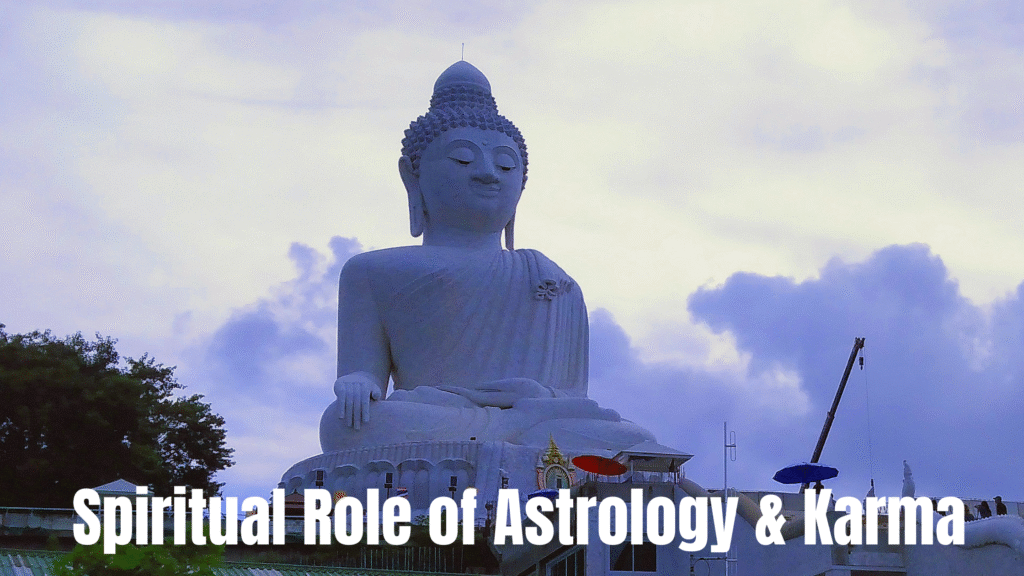
    Read More
  • Spiritual Role of Astrology & Karma

    November 26, 2025 - By Angshuman Das

    Spiritual Role of Astrology Spiritual Role of Astrology Since the beginning of time Human beings…

    Read More
  • Self-Realization: Self-Knowledge.

    Self-Realization: Self-Knowledge.

    November 23, 2025 - By Angshuman Das

    Self-Realization: Self-Knowledge. Self-Realization With the abundance of distractions, ambitions and noise people are always seeking…

    Read More
  • Spiritual Path to Happiness

    November 20, 2025 - By Angshuman Das

    Spiritual Path to Happiness Spiritual Path to Happiness In an era of technologies, noise and…

    Read More
  • Shakti: The Feminine Energy of Creation

    Shakti: The Feminine Energy of Creation

    November 17, 2025 - By Angshuman Das

    Shakti – The Feminine Energy The Feminine Energy In the peaceful moments prior to dawn,…

    Read More
 Older Posts
Newer Posts 

Recent Posts

  • Mar 14, 2026 Balancing Emotions Through Meditation
  • Mar 11, 2026 The Power of Prayer: A Bridge to the Divine
  • Mar 08, 2026 Nataraja: Shiva’s Cosmic Dance Explained
  • Mar 05, 2026 Knowing the Self with Sri Sri Ravi Shankar
  • Mar 02, 2026 Self-control With Spirituality
  • Feb 27, 2026 Meditating on Full Moon : Benefits, Meaning, and Practice
  • Feb 24, 2026 Silence Resorts– A Course to Inner Tranquility
  • Feb 21, 2026 Why We Light a Diya: Spiritual Meaning Explained
  • Feb 18, 2026 Love as a Spiritual Force for Inner Growth

Search

Categories

  • Meditation
  • Spirituality
  • Sri Sri Wisdom
  • Uncategorized
  • Yoga
March 2026
M T W T F S S
 1
2345678
9101112131415
16171819202122
23242526272829
3031  
« Feb    

Archives

  • March 2026
  • February 2026
  • January 2026
  • December 2025
  • November 2025
  • October 2025
  • September 2025
  • Home
  • Meditation
  • Spirituality
  • Yoga
  • Sri Sri Wisdom
guru pranam motivation

Guru Pranam Motivation

GuruPranam Motivation is dedicated to empowering individuals through spiritual wisdom and motivational teachings. We believe in fostering inner strength, confidence, and resilience to achieve personal growth and success.

© 2025 GuruPranamMotivation. All rights reserved.
Graceful Theme by Optima Themes
  • Home
  • Meditation
  • Spirituality
  • Yoga
  • Sri Sri Wisdom